
12 Early Signs of Vitamin D Deficiency

12 Signs of Vitamin D Deficiency You Shouldn't Ignore in 2026
Reading Time 7-8 minutes
Picture this: you're dragging yourself through another day, feeling exhausted despite getting enough sleep, and that nagging back pain just won't quit. Before you blame it on stress or age, here's something that might surprise you—nearly half of all Americans have insufficient vitamin D levels, according to recent research published in Frontiers in Nutrition. What's even more alarming? Most people don't realize they're deficient until symptoms start interfering with daily life.
Vitamin D deficiency isn't just about brittle bones anymore. It's become a public health concern that affects everything from your mood to your immune system. The good news? Once you know what to look for, you can take action before things get worse.
Understanding Vitamin D Deficiency
Let's start with the basics. Vitamin D deficiency happens when your body doesn't have enough of this crucial nutrient to function properly. Think of vitamin D as your body's calcium manager—it helps absorb calcium from your diet and keeps your bones strong and healthy.
Here's where it gets interesting: your skin actually produces vitamin D when exposed to sunlight. That's why it's called the "sunshine vitamin." But between working indoors, slathering on sunscreen, and living in northern climates, many of us simply aren't getting enough sun exposure to meet our body's needs.
According to StatPearls, vitamin D deficiency affects approximately 1 billion people worldwide. In the United States alone, studies show that vitamin D deficiency rates vary dramatically by ethnicity—affecting up to 82% of African American adults compared to about 42% of the general adult population.
The Science Behind Vitamin D
Your body converts vitamin D into its active form through a fascinating two-step process. First, your liver transforms it into 25-hydroxyvitamin D, which doctors measure when testing your levels. Then, your kidneys convert it again into the most active form that your body can use.
Medical experts at Cleveland Clinic explain that when vitamin D levels drop too low, your body struggles to absorb calcium and phosphorus properly. This triggers a chain reaction—your parathyroid glands work overtime to balance calcium levels, pulling it from your bones to keep your blood levels normal. Over time, this weakens your skeletal structure and can lead to serious complications.
Warning Signs Your Body Needs More Vitamin D
Persistent Fatigue That Won't Quit
You know that feeling when you've slept eight hours but still feel like you've been hit by a truck? That could be your body crying out for more vitamin D. Research indicates that vitamin D deficiency interferes with your cells' ability to produce energy efficiently.
A study from the University of Nebraska found that exhaustion ranks among the most common complaints from patients with low vitamin D levels. The connection makes sense—when your body can't metabolize nutrients properly, fatigue becomes your new normal.
Frequent Colds and Infections
If you're catching every bug that goes around the office, your immune system might be struggling due to insufficient vitamin D. This nutrient plays a vital role in activating your immune defenses.
Yale Medicine researchers note that vitamin D helps your body fight off bacteria and viruses more effectively. When you're deficient, you're essentially leaving the door wide open for infections to take hold. People with adequate vitamin D levels tend to recover faster from illnesses and experience fewer respiratory infections overall.
Bone and Back Pain
That chronic lower back pain you've been ignoring? It might not be just from sitting at your desk all day. Studies published in medical journals show a clear link between low vitamin D levels and increased bone pain.
Here's why: without enough vitamin D, your bones can't maintain their mineral density properly. A 2018 review of 81 studies found that people with arthritis, muscle pain, and chronic widespread pain consistently showed lower vitamin D levels than those without these conditions.
"Vitamin D is crucial for calcium homeostasis and bone metabolism. When levels drop, the body struggles to maintain skeletal strength, leading to pain and increased fracture risk." - Cleveland Clinic Research Team
Muscle Weakness and Aches
Notice your muscles feeling weaker than usual, or experiencing unexplained aches? Your vitamin D receptors are found throughout your muscle tissue, and they need adequate levels to function properly.
According to research from The Merck Manual, muscle weakness and aches affect people of all ages with vitamin D deficiency. The vitamin D receptor is even present in special nerve cells called nociceptors, which detect pain. This means low levels can actually make you more sensitive to discomfort.
Mood Changes and Depression
Feeling down more often than usual? There's compelling evidence linking vitamin D deficiency to mood disorders. Studies suggest this vitamin helps regulate serotonin levels in your brain—the same neurotransmitter targeted by many antidepressant medications.
Research indicates that people with depression are more likely to have vitamin D deficiency. While low levels don't necessarily cause depression, they may contribute to feeling persistently down or anxious. Dr. Molly Ropte from UnityPoint Health emphasizes that vitamin D keeps your energy levels up and enhances your mood naturally.
Slow Wound Healing
Cuts and scrapes taking forever to heal? This could signal that your vitamin D levels have dropped too low. Studies show that vitamin D plays a crucial role in producing compounds necessary for forming new skin.
A 12-week study involving 60 people with diabetes-related foot ulcers found something remarkable: those who took vitamin D supplements experienced significant improvements in wound healing compared to the placebo group. The vitamin helps control inflammation and fight infection at wound sites.
Hair Loss
While stress and genetics often get blamed for hair loss, severe vitamin D deficiency can contribute to thinning hair or even alopecia. Research from 2021 found an inverse relationship between vitamin D levels and non-scarring hair loss—meaning the lower your levels, the more hair loss you might experience.
A 2015 study showed that applying a synthetic form of vitamin D topically for 12 weeks significantly increased hair regrowth in people with this condition. Your hair follicles contain vitamin D receptors, and they need adequate levels to maintain healthy hair growth cycles.
Bone Density Loss
You can't feel your bones becoming less dense, but it's happening when you're vitamin D deficient. This is especially concerning for older adults and postmenopausal women who already face higher fracture risks.
Low bone mineral density indicates that your bones have lost calcium and other essential minerals. Medical research from the International Osteoporosis Foundation recommends maintaining serum vitamin D levels of at least 30 ng/mL to minimize fall and fracture risks in older individuals.
Cognitive Difficulties
Brain fog, difficulty concentrating, or memory issues might stem from inadequate vitamin D. Your brain has vitamin D receptors scattered throughout, particularly in areas responsible for memory and cognitive function.
Studies have shown conflicting associations between vitamin D deficiency and cognitive decline, but enough evidence exists to warrant attention. The vitamin appears to play a role in protecting neurons and maintaining healthy brain function as you age.
Increased Blood Pressure
High blood pressure often sneaks up without obvious symptoms, but vitamin D deficiency might be contributing to the problem. The Endocrine Center in Houston reports that vitamin D helps regulate blood vessel relaxation.
When your levels are insufficient, your blood vessels may not relax properly, potentially contributing to hypertension. While this connection is still being studied, maintaining adequate vitamin D levels appears to support cardiovascular health.
Dental Problems
Your teeth need calcium to stay strong, and vitamin D is essential for calcium absorption. Without enough of this nutrient, you might notice an increase in cavities, tooth decay, or gum inflammation.
Research indicates that vitamin D deficiency can weaken tooth enamel and contribute to periodontitis. Your dental health often reflects your overall nutritional status, and vitamin D plays a starring role in keeping your teeth and gums healthy.
Difficulty Losing Weight
If you're eating well and exercising but the scale won't budge, low vitamin D could be part of the puzzle. Studies show links between vitamin D deficiency and weight gain, though researchers are still working to understand the exact relationship.
Some evidence suggests that vitamin D might influence how your body stores and breaks down fat. While it's not a magic weight-loss solution, correcting a deficiency might help your metabolism function more efficiently.
Who's at Higher Risk for Vitamin D Deficiency
Certain groups face dramatically higher risks of developing vitamin D deficiency. If you fall into any of these categories, you should be extra vigilant:
People with darker skin produce less vitamin D from sun exposure because melanin acts as a natural sunscreen. Research shows that non-Hispanic Black Americans have deficiency rates approaching 82%, compared to significantly lower rates in White populations.
Older adults face a double challenge—their skin becomes less efficient at producing vitamin D, and they often spend less time outdoors. Studies indicate that people over 65 have a higher prevalence of deficiency.
If you're carrying extra weight, you're at increased risk too. According to StatPearls, individuals with obesity have a 35% higher prevalence of vitamin D deficiency, regardless of where they live or their age. Fat cells essentially trap vitamin D, making it less available for your body to use.
People with digestive disorders like Crohn's disease, celiac disease, or those who've had bariatric surgery often struggle to absorb vitamin D properly. Their intestines can't efficiently process this fat-soluble vitamin from food or supplements.
Those who cover their skin for religious or cultural reasons, or anyone who spends most of their time indoors, naturally produces less vitamin D from sunlight. This includes people working night shifts or those living in northern latitudes where winter sunlight is minimal.
How to Boost Your Vitamin D Levels
The good news is that correcting vitamin D deficiency is relatively straightforward once you know you have it. Here are the most effective strategies:
Sensible Sun Exposure
About 10-15 minutes of direct sunlight on your face, arms, and legs several times per week can help your body produce vitamin D naturally. Dr. Ropte explains that vitamin D breaks down rapidly in your body, so regular exposure matters more than occasional long sessions.
However, balance is key—too much sun increases skin cancer risk. You don't need to skip sunscreen entirely; just get a few minutes of exposure before applying it. Remember that during winter months in northern climates, sunlight may not be strong enough to trigger adequate vitamin D production.
Vitamin D-Rich Foods
While few foods naturally contain high amounts of vitamin D, incorporating these into your diet helps: fatty fish like salmon, trout, and mackerel rank among the best sources. A 3-ounce serving of cooked salmon provides about 570 IU of vitamin D.
Egg yolks, beef liver, and cheese contain smaller amounts. Many dairy products, orange juice, and cereals come fortified with vitamin D—look for labels stating "fortified with vitamin D" when shopping.
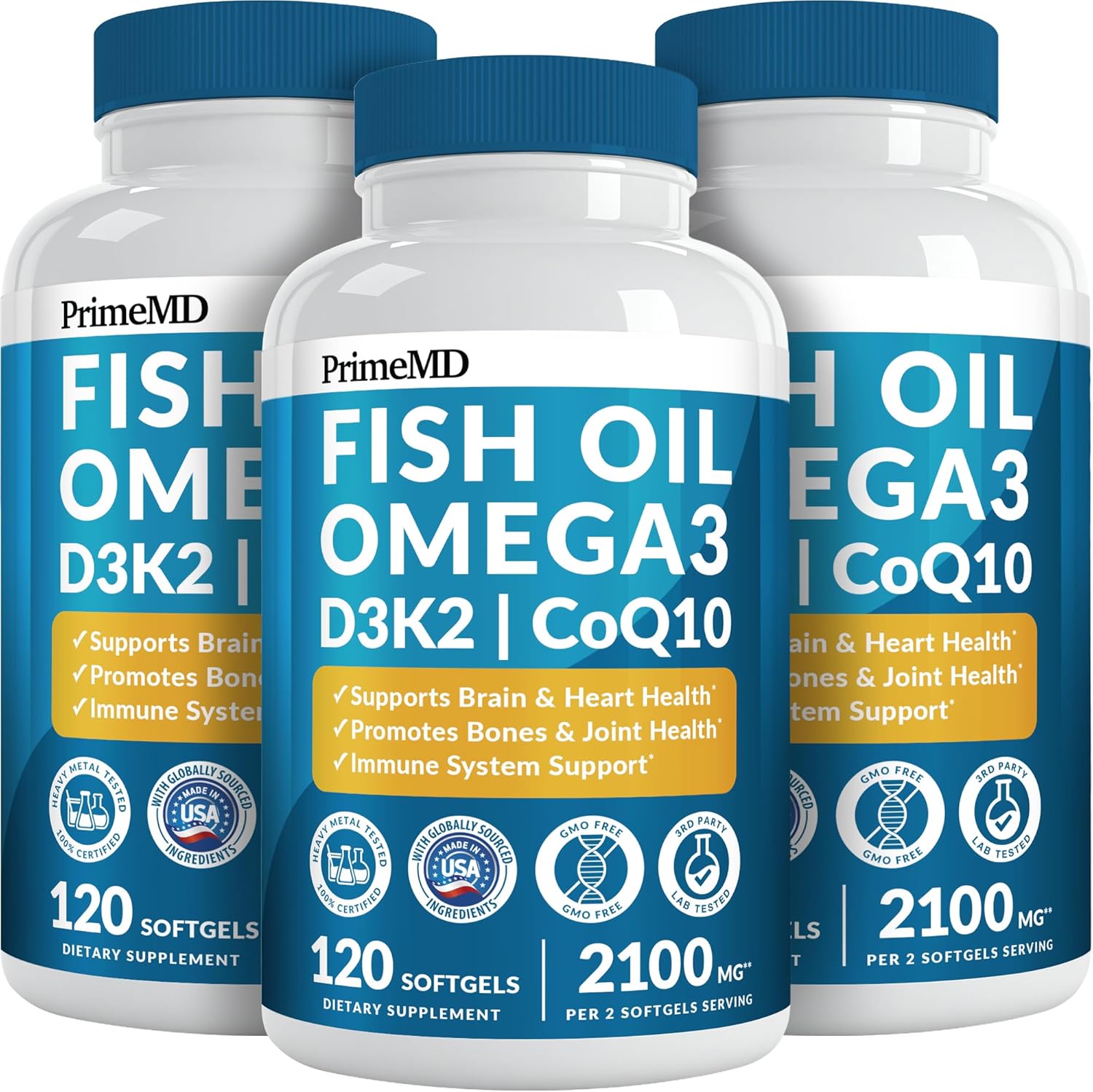


Supplements
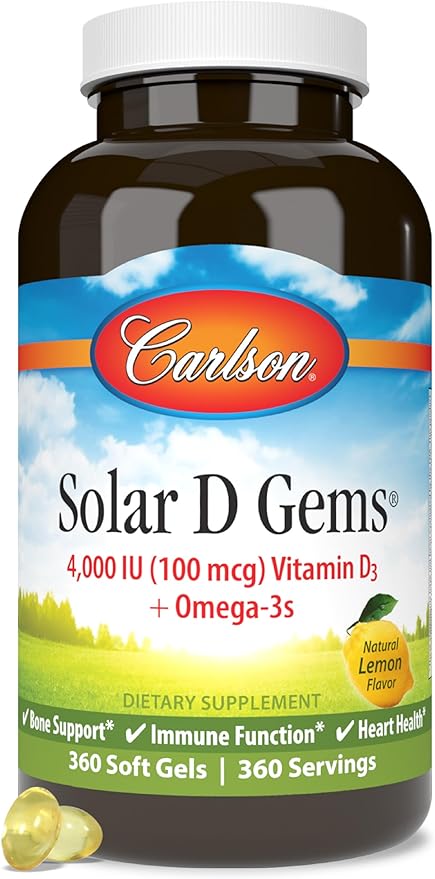
Most adults need between 600-800 IU of vitamin D daily, though many experts recommend higher amounts for optimal health. Vitamin D supplements come in two forms: D2 and D3. Research consistently shows that vitamin D3 raises blood levels more effectively than D2.
Over-the-counter supplements typically contain 1000-2000 IU, which health professionals consider safe for most adults. You should start seeing improvements within three to four months of consistent supplementation. If you're severely deficient, your doctor might prescribe higher doses temporarily.


When to See a Doctor
If you're experiencing several of these symptoms, it's time to schedule a checkup. A simple blood test measuring your 25-hydroxyvitamin D levels can confirm whether you're deficient.
According to medical guidelines, levels below 20 ng/mL indicate deficiency, while levels between 20-30 ng/mL suggest insufficiency. Most experts recommend aiming for levels above 30 ng/mL for optimal health.
Don't try to self-diagnose or start high-dose supplements without medical guidance. While vitamin D toxicity is rare, it can occur if you take excessive amounts over time. Symptoms of toxicity include nausea, vomiting, weakness, and in severe cases, kidney damage.


Taking Control of Your Health
Vitamin D deficiency might be common, but it doesn't have to be your reality. Now that you know the signs to watch for, you can take proactive steps to protect your health. Whether it's spending more time outdoors, adjusting your diet, or starting a supplement routine, small changes can make a significant difference.
Remember, your body gives you clues when something's not right. If you're dealing with persistent fatigue, unexplained pain, or frequent illnesses, don't brush it off as normal aging or stress. Those symptoms might be your body's way of saying it needs more of the sunshine vitamin.
Talk to your healthcare provider about testing your vitamin D levels, especially if you fall into a high-risk category. With proper diagnosis and treatment, most people see dramatic improvements in their symptoms within a few months. Your future self will thank you for taking action today.
Frequently Asked Questions
What causes vitamin D deficiency?
Vitamin D deficiency typically results from inadequate sun exposure, insufficient dietary intake, or conditions that impair absorption. People who spend most of their time indoors, live in northern latitudes, or have darker skin are at higher risk. Medical conditions like Crohn's disease, celiac disease, and kidney or liver disease can also interfere with vitamin D metabolism and absorption.
How long does it take to correct vitamin D deficiency?
Most people begin seeing improvements within three to four months of consistent supplementation. However, the timeline depends on how deficient you are and the dosage you're taking. Severe deficiency may require higher doses under medical supervision and could take longer to correct. Regular blood tests help monitor your progress.
Can you get too much vitamin D?
Yes, though it's rare when following recommended dosages. Vitamin D toxicity typically occurs only with very high supplement doses taken over extended periods. Symptoms include nausea, vomiting, weakness, and frequent urination. In severe cases, toxicity can cause kidney damage and irregular heart rhythms. You cannot get too much vitamin D from sun exposure alone.
What's the best time to take vitamin D supplements?
Take vitamin D supplements with a meal containing some fat, since it's a fat-soluble vitamin that absorbs best when consumed with dietary fat. Many people prefer taking it with breakfast or lunch rather than dinner to avoid potential sleep interference, though this varies by individual. Consistency matters more than the specific time of day.
Do vitamin D levels affect weight loss?
Research suggests a connection between vitamin D deficiency and difficulty losing weight, though the exact relationship remains under investigation. Some studies indicate that correcting a deficiency may support metabolism and weight management efforts. However, vitamin D supplements alone won't cause significant weight loss without proper diet and exercise.
Can vitamin D deficiency cause hair loss?
Severe vitamin D deficiency can contribute to hair loss, including a condition called alopecia areata. Studies show an inverse relationship between vitamin D levels and non-scarring hair loss. While stress and genetics play larger roles in most cases, maintaining adequate vitamin D levels supports healthy hair growth cycles.
How much vitamin D should I take daily?
The recommended dietary allowance is 600 IU for adults aged 19-70 and 800 IU for those over 70. However, many healthcare providers recommend 1000-2000 IU daily for optimal health, especially for people at higher risk of deficiency. Your doctor may prescribe higher doses if blood tests show severe deficiency.
Is vitamin D2 or D3 better?
Vitamin D3 is generally more effective at raising and maintaining blood levels of vitamin D. Research consistently shows that D3 increases serum levels more efficiently than D2. Most over-the-counter supplements contain D3, which is the form your body produces naturally from sunlight exposure.
Can I test my vitamin D levels at home?
At-home vitamin D test kits are available, but results should be discussed with a healthcare provider for proper interpretation and treatment planning. A standard blood test measuring 25-hydroxyvitamin D levels through your doctor's office provides the most accurate results and ensures appropriate medical guidance.
Does vitamin D help with depression?
Research shows that people with depression are more likely to have vitamin D deficiency, suggesting a connection between the two. While low levels don't necessarily cause depression, some studies indicate that supplementation may help improve mood in deficient individuals. However, vitamin D should not replace conventional depression treatment without medical supervision.
Legal Disclaimer: The information provided in this article by The Healthful Habit is for educational and informational purposes only. It is not intended to replace professional medical advice, diagnosis, or treatment. Always seek the guidance of your physician or another qualified healthcare professional before starting any new diet, supplementation, or exercise program, especially if you have a preexisting medical condition. The author and The Healthful Habit website do not assume responsibility for any actions taken based on the information presented in this blog. Individual results may vary, and what works for one person may not work for another.
Affiliate Disclosure: As an Amazon Associate, I earn from qualifying purchases. Some articles on this blog contain affiliate links to Amazon.com, and if you buy through them I may receive a small commission at no additional cost to you. Every product here passes through the same filter I use for the articles themselves: peer-reviewed research first, independent testing when it exists, real-world use over marketing claims. When a specific recommendation has clinical backing or a professional endorsement behind it, I point that out in the post itself, not as a blanket promise here.