
Why Chia Seeds Are a Superfood: The Science Behind Their Power
Reading Time 11 minutes
You've probably seen those tiny black and white seeds popping up everywhere—in smoothie bowls, puddings, and even bread. But are chia seeds really the nutritional powerhouse everyone claims they are? The answer might surprise you. These ancient seeds, once a staple food for Aztec warriors, are making a major comeback in 2026, and science is finally catching up with what ancient civilizations knew all along.
Here's the thing: not every trendy "superfood" deserves the hype. Some are just clever marketing. But chia seeds? They're the real deal, backed by solid research and packed with nutrients that can genuinely transform your health. Let me show you why these little seeds pack such a mighty punch.
The Nutritional Powerhouse in Your Palm
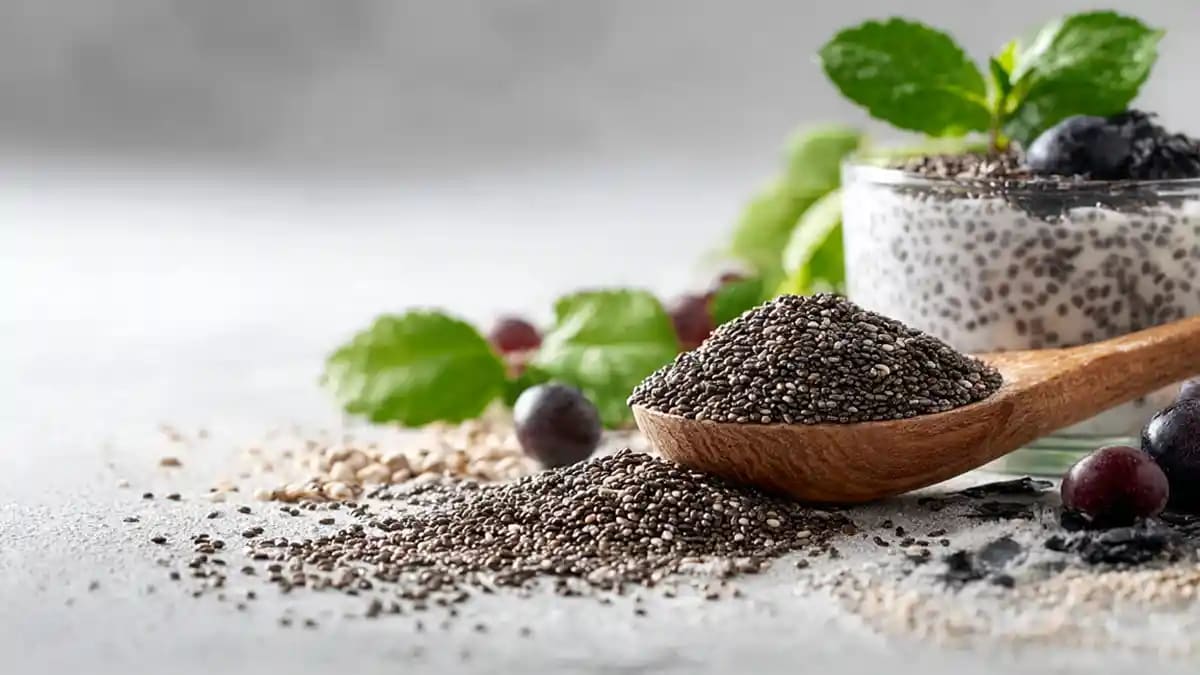
When you scoop up just two tablespoons of chia seeds, you're holding an impressive nutritional profile that rivals foods three times its size. These tiny seeds deliver approximately 140 calories, 5 grams of protein, a whopping 10 grams of fiber, and 9 grams of healthy fats—with 8 grams being heart-protective omega-3 fatty acids.
What makes chia seeds stand out isn't just what they contain, but how efficiently they deliver these nutrients to your body. Wendy Bazilian, a nutrition expert in San Diego, confirms there's scientific evidence showing chia seeds benefit gut and cardiovascular health, including blood pressure, blood sugar, and cholesterol levels. Some researchers have even gone as far as calling chia seeds a therapeutic weapon against metabolic disorders.
Think about it: you're getting essential minerals like calcium, magnesium, and phosphorus, plus antioxidants that fight inflammation and cell damage—all in a serving smaller than your thumb. That's nutrient density at its finest.
Omega-3 Fatty Acids That Actually Work
Here's where chia seeds truly shine. While most people think of fish when they hear "omega-3s," chia seeds are actually the best-known plant-based source of these essential fats—even better than flaxseed. About 60% of the oil in chia seeds consists of alpha-linolenic acid (ALA), a specific type of omega-3 that your body can't produce on its own.
Your body needs ALA for crucial functions: building cell membranes, reducing inflammation, and supporting brain health. Research from 2019 shows that ALA helps reduce cholesterol, triglycerides, and blood pressure while lowering the risk of cardiovascular disease and diabetes. It may also boost cognitive function, though scientists are still exploring this exciting connection.
Now, here's what's important to understand: ALA needs to convert into EPA and DHA—the omega-3 forms your brain and heart love most. While this conversion isn't super efficient, the sheer amount of ALA in chia seeds means you're still getting meaningful benefits. Plus, for vegetarians and vegans, chia seeds offer a reliable omega-3 source without any fishy aftertaste.
Fiber Content That Transforms Digestive Health
Let's talk about something most people don't get enough of: fiber. Just one ounce of chia seeds contains nearly 10 grams of dietary fiber—that's a whopping 35% fiber by weight. To put this in perspective, that's about one-third of your daily fiber needs in just two tablespoons.
The fiber in chia seeds is predominantly soluble fiber and mucilage, which creates that distinctive gel-like texture when you soak them. This isn't just a quirky characteristic—it's actually incredibly beneficial for your health. This gel formation slows down digestion, preventing blood sugar spikes after meals and keeping you feeling satisfied longer.
Harvard Health reports that adequate fiber intake is associated with decreased risk of heart disease, type 2 diabetes, and digestive issues. The fiber helps lower LDL cholesterol, supports healthy blood pressure, and promotes regular bowel movements by adding bulk to stool and softening it naturally.
"A superfood can't be a one-trick pony. You need to be able to eat enough of it, and chia seeds are versatile." — Wendy Bazilian, Nutrition Expert
Antioxidants Fighting Silent Inflammation
While everyone's chasing the latest anti-aging cream, chia seeds are quietly fighting inflammation from the inside out. These tiny seeds contain a powerful arsenal of antioxidants including chlorogenic acid, caffeic acid, quercetin, myricetin, and kaempferol.
Why should you care? Research published in scientific journals shows these specific compounds have protective effects on your heart and liver, along with anti-aging and anti-cancer properties. Chlorogenic acid, for instance, may help lower blood pressure, while caffeic acid demonstrates potent anti-inflammatory effects.
These antioxidants work by neutralizing free radicals—those unstable molecules that damage your cells and accelerate aging. When free radicals build up, they contribute to chronic diseases like diabetes, cardiovascular disease, and even Alzheimer's. The antioxidants in chia seeds act as your body's defense team, protecting cells from oxidative stress and inflammation.
Here's what's fascinating: the antioxidants in chia seeds don't just benefit you—they also protect the delicate omega-3 fats within the seeds themselves from going rancid. It's nature's perfect preservation system.
Blood Sugar Balance and Diabetes Management
If you've ever experienced the dreaded afternoon energy crash, you know how frustrating blood sugar fluctuations can be. Chia seeds offer a natural solution backed by scientific research.
The combination of fiber and protein in chia seeds works together to slow down how quickly your body converts carbohydrates into sugar. Studies show that chia fiber reduces blood glucose levels in people with diabetes and helps prevent the rapid spikes that lead to insulin resistance. This steady energy release means no more rollercoaster of highs and lows throughout your day.
What's more, the gel-forming property of chia seeds creates a physical barrier in your stomach that slows digestion. Think of it as a time-release mechanism for your food, delivering energy gradually instead of all at once. This is particularly valuable for people managing type 2 diabetes or those trying to prevent it.
Multiple research studies have examined chia seeds' effects on metabolic health, with promising results showing improvements in blood sugar control and reduced inflammation markers in diabetic patients.
Heart Health Protection You Can Actually Measure
Your heart works tirelessly every single day, pumping blood and keeping you alive. Chia seeds offer several ways to support this vital organ.
A 2024 study published in Scientific Reports demonstrated that chia seed consumption significantly improved cardiovascular biomarkers, including reduced inflammation markers and better heart function measurements. The researchers found that chia seeds helped lower CRP levels, improved lipid profiles, and reduced markers of heart muscle damage.
The omega-3 fatty acids in chia seeds help reduce blood pressure, decrease platelet aggregation (which prevents dangerous blood clots), and lower overall cholesterol levels. The fiber content works alongside these omega-3s to reduce LDL cholesterol—the kind that contributes to artery plaque buildup.
Several human studies have found that chia seed supplements significantly reduced blood pressure in people with hypertension, a major risk factor for heart disease and stroke. While we need more long-term studies, the current evidence is genuinely encouraging.
Bone Strength Beyond Calcium
When most people think about bone health, they immediately think "calcium." But building strong bones requires several nutrients working together, and chia seeds deliver on multiple fronts.
Just one ounce of chia seeds contains significant amounts of calcium, magnesium, and phosphorus—all essential minerals for bone density and strength. In fact, chia seeds contain more calcium than most dairy products when compared ounce for ounce.
But here's what makes this even more impressive: the magnesium in chia seeds helps your body actually absorb and use that calcium effectively. Without adequate magnesium, calcium can't do its job properly. The phosphorus works to strengthen bones and teeth while supporting tissue repair throughout your body.
For people who are lactose intolerant, vegan, or simply looking to diversify their calcium sources, chia seeds offer an excellent plant-based alternative that supports bone health at every age.
Weight Management Through Smart Satiety
Let's address the elephant in the room: can chia seeds actually help you lose weight? The answer is nuanced but promising.
Chia seeds won't magically burn fat—no food does that. However, they can significantly support your weight management efforts through increased satiety. Dawn Jackson Blatner, a registered dietitian in Chicago, explains that because chia seeds absorb ten times their weight in water, soaking them before consumption creates a gel that helps you feel fuller longer.
This gel forms in your stomach, taking up physical space and triggering your body's fullness signals more quickly. The high protein content also helps stabilize hunger hormones, reducing those nagging cravings between meals. The fiber slows digestion, providing sustained energy without the crashes that lead to snack attacks.
Research suggests that when chia seeds are part of a balanced diet with adequate protein and regular physical activity, they can meaningfully support long-term weight management. The key is consistency and moderation—adding them to your daily routine rather than expecting overnight results.
How to Eat Chia Seeds the Right Way
Now that you understand why chia seeds are nutritional superstars, let's talk about how to actually incorporate them into your life. This is where many people get confused or make mistakes that lead to digestive discomfort.
The most important rule: hydrate them properly. Because chia seeds absorb so much liquid, eating them dry without adequate fluids can cause bloating, gas, or constipation. Experts recommend soaking chia seeds in liquid before consuming them to prevent gastrointestinal discomfort and maximize digestive comfort.
The easiest method is making chia pudding: mix two tablespoons of chia seeds with half a cup of your favorite milk (dairy, almond, oat—whatever you prefer). Let it sit for at least 15 minutes, though overnight is even better. The result is a creamy, pudding-like texture you can customize with berries, nuts, cinnamon, or honey.
You can also add chia seeds to smoothies, where they'll hydrate naturally while blending. Sprinkle them on yogurt or oatmeal, mix them into pancake batter, or use them as an egg substitute in baking by combining one tablespoon of chia with three tablespoons of water.
Start with one tablespoon daily and gradually increase to two tablespoons as your digestive system adjusts. This prevents the fiber overload that can happen when you introduce too much too quickly.
Safety Considerations and Who Should Be Cautious
While chia seeds are safe for most people, there are a few important considerations to keep in mind.
If you're taking blood thinners or have a bleeding disorder, talk to your doctor before adding chia seeds to your diet. The omega-3 fatty acids can affect blood clotting, which might interact with certain medications.
People with swallowing difficulties should always consume chia seeds fully hydrated, never dry. There have been rare cases of chia seeds expanding in the throat, causing blockages in people with esophageal narrowing or swallowing problems.
Those with digestive conditions like IBS might need to introduce chia seeds very gradually, as the high fiber content can initially worsen symptoms in sensitive individuals. Listen to your body and adjust accordingly.
Pregnant and breastfeeding women can safely consume chia seeds as part of a balanced diet, but as with any dietary change during pregnancy, it's wise to consult with your healthcare provider first.
The Bottom Line: Small Seeds, Big Impact
After reviewing the extensive research on chia seeds, one thing becomes crystal clear: these tiny seeds deserve their superfood status. Unlike many trendy health foods that fade as quickly as they appear, chia seeds have stood the test of time—both in ancient civilizations and in modern scientific laboratories.
The combination of omega-3 fatty acids, fiber, protein, antioxidants, and essential minerals creates a nutritional synergy that supports multiple body systems simultaneously. Research confirms that chia seed components play important roles in managing chronic diseases, as approved by multiple scientific studies.
What makes chia seeds truly special isn't just their impressive nutrient profile—it's their versatility and accessibility. You don't need expensive supplements or complicated recipes to benefit from them. Two tablespoons a day, properly hydrated, can make a meaningful difference in your overall health.
Whether you're looking to support heart health, manage blood sugar, improve digestion, or simply add more nutrients to your diet, chia seeds offer a science-backed solution that's both practical and delicious. The ancient Aztecs called them "chia," meaning strength, and modern science confirms they knew exactly what they were talking about.
So go ahead—add those tiny seeds to your morning routine. Your body will thank you for it.
Frequently Asked Questions About Chia Seeds
How much chia seeds should I eat daily for health benefits?
Most nutritionists recommend 1-2 tablespoons (15-30 grams) of chia seeds per day. This amount provides approximately 10 grams of fiber, 5 grams of protein, and significant omega-3 fatty acids. Start with one tablespoon daily and gradually increase to two tablespoons to allow your digestive system to adjust to the high fiber content. Always consume chia seeds with adequate fluids to prevent digestive discomfort.
Do chia seeds need to be soaked before eating?
While not absolutely mandatory, soaking chia seeds is highly recommended for optimal digestion and comfort. Chia seeds absorb 10-12 times their weight in liquid, creating a gel-like consistency. If eaten dry without adequate hydration, they can expand in your digestive tract and cause bloating or discomfort. Soak them for at least 10-15 minutes, though overnight soaking is ideal. If sprinkling dry seeds on food, make sure to drink plenty of water.
Are chia seeds better than flaxseeds for omega-3s?
Both chia seeds and flaxseeds are excellent plant-based sources of omega-3 fatty acids, specifically alpha-linolenic acid (ALA). Chia seeds contain about 60% omega-3 content by weight and can be eaten whole or ground. Flaxseeds must be ground for nutrient absorption but have a similar omega-3 profile. The main advantage of chia seeds is their convenience—they don't require grinding and have a longer shelf life due to their natural antioxidant content.
Can chia seeds help lower cholesterol naturally?
Research suggests that chia seeds can help improve cholesterol levels through multiple mechanisms. The high fiber content helps reduce LDL (bad) cholesterol absorption in the gut, while omega-3 fatty acids work to decrease triglycerides and support healthy HDL (good) cholesterol levels. Studies show that regular chia seed consumption as part of a balanced diet may contribute to improved lipid profiles, though individual results vary and chia seeds should complement, not replace, other heart-healthy lifestyle choices.
Will chia seeds help me lose weight?
Chia seeds can support weight management but won't directly cause fat loss on their own. Their benefits for weight control come from increased satiety due to high fiber and protein content, blood sugar stabilization that reduces cravings, and their gel-forming property that helps you feel fuller longer. Research shows chia seeds work best as part of a comprehensive approach including balanced nutrition and regular physical activity. Expect gradual, sustainable results rather than rapid weight loss.
Are chia seeds safe for people with diabetes?
Yes, chia seeds can be beneficial for people with diabetes when consumed appropriately. Studies show that the fiber in chia seeds helps slow the conversion of carbohydrates to sugar, preventing rapid blood glucose spikes. The soluble fiber and gel-forming properties create a barrier that slows digestion and promotes steady energy release. However, people with diabetes should monitor their blood sugar response when introducing chia seeds and consult their healthcare provider, especially if taking diabetes medications.
What are the antioxidants in chia seeds and what do they do?
Chia seeds contain powerful antioxidants including chlorogenic acid, caffeic acid, quercetin, myricetin, and kaempferol. These compounds protect cells from free radical damage, reduce inflammation, and may help prevent chronic diseases. Chlorogenic acid can help lower blood pressure, while caffeic acid has strong anti-inflammatory effects. Quercetin and kaempferol have been studied for their potential anti-cancer and heart-protective properties. These antioxidants also preserve the omega-3 fats in chia seeds from oxidation.
Can I eat chia seeds if I'm allergic to nuts?
Chia seeds are not nuts—they're seeds from the Salvia hispanica plant, which is part of the mint family. Most people with nut allergies can safely consume chia seeds. However, individuals with seed allergies or severe food allergies should consult an allergist before trying chia seeds for the first time. Start with a very small amount to test for any reaction. While chia seed allergies are rare, they can occur, so observe for any signs of allergic response.
How long do chia seeds last and how should I store them?
Dry chia seeds have an impressive shelf life of 2-4 years when stored properly, thanks to their natural antioxidant content that prevents the omega-3 oils from going rancid. Store them in an airtight container in a cool, dark place like a pantry. Refrigeration isn't necessary for dry seeds but can extend shelf life even further. Once soaked or mixed with liquids, chia seeds should be refrigerated and consumed within 5-7 days. Discard if you notice any off smell or appearance.
Are there any side effects from eating too many chia seeds?
Consuming excessive amounts of chia seeds can cause digestive issues including bloating, gas, diarrhea, or constipation due to the very high fiber content. The omega-3 fatty acids in large quantities might also affect blood clotting in people taking blood thinners. Stick to the recommended 1-2 tablespoons daily and always consume with adequate fluids. Introduce chia seeds gradually to allow your digestive system to adapt. If you experience persistent discomfort, reduce your intake and consult a healthcare provider.
Legal Disclaimer: The information provided in this article by The Healthful Habit is for educational and informational purposes only. It is not intended to replace professional medical advice, diagnosis, or treatment. Always seek the guidance of your physician or another qualified healthcare professional before starting any new diet, supplementation, or exercise program, especially if you have a preexisting medical condition. The author and The Healthful Habit website do not assume responsibility for any actions taken based on the information presented in this blog. Individual results may vary, and what works for one person may not work for another.
Affiliate Disclosure: As an Amazon Associate, I earn from qualifying purchases. Some articles on this blog contain affiliate links to Amazon.com, and if you buy through them I may receive a small commission at no additional cost to you. Every product here passes through the same filter I use for the articles themselves: peer-reviewed research first, independent testing when it exists, real-world use over marketing claims. When a specific recommendation has clinical backing or a professional endorsement behind it, I point that out in the post itself, not as a blanket promise here.