
7 Foods That Naturally Clean Your Arteries
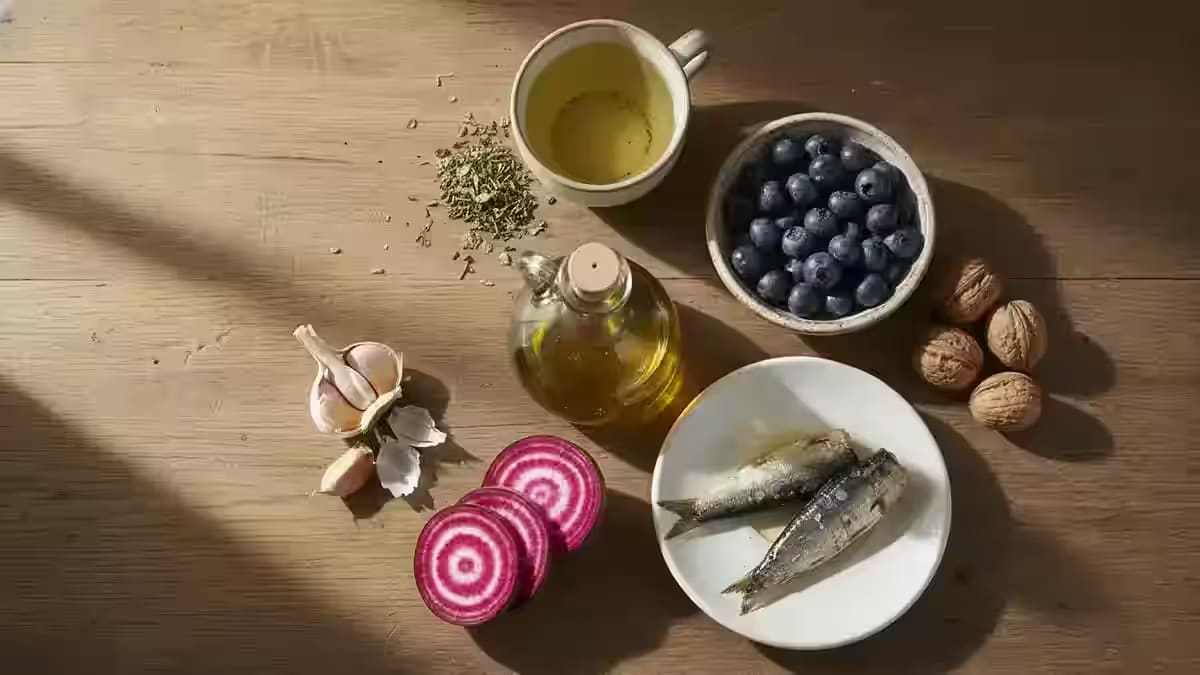
Reading Time 7 min
Here's something that might catch you off guard: your arteries can start building up plaque in your twenties — long before most people ever think about heart health. That slow, silent buildup is called atherosclerosis, and it's the main driver behind heart attacks and strokes, the leading cause of death worldwide.
The good news? Certain foods don't just protect your arteries — research suggests they actively support your body's ability to keep those vessels flexible, open, and healthy. And you don't need a pharmacy for that. You need a grocery list.
This article breaks down seven specific foods that science has linked to cleaner, healthier arteries — not through hype, but through real clinical trials and peer-reviewed studies. If you've ever wondered which foods actually clean your arteries, these are the ones that genuinely move the needle when it comes to arterial health.
Why Your Arteries Need Help in the First Place
Think of your arteries as garden hoses. Over time, fatty deposits called plaque — made of cholesterol, calcium, and cellular waste — can build up along the inner walls. This narrows the passage and makes it harder for blood to flow freely. That's atherosclerosis, and it's sneaky: most people don't know it's happening until something goes wrong.
Diet plays a massive role here. The American Heart Association has long emphasized that what you eat is one of the most powerful levers you have to influence your cardiovascular health. So let's look at the seven foods backed by the strongest evidence for keeping your arteries in shape.
Extra Virgin Olive Oil: The Mediterranean Secret
If there's one food that has earned its place at the top of the arterial health conversation, it's extra virgin olive oil (EVOO). The landmark PREDIMED trial — one of the largest dietary intervention studies ever conducted — followed over 7,400 people at high cardiovascular risk for nearly five years. Participants who added EVOO to a Mediterranean-style diet saw a roughly 30% reduction in major cardiovascular events compared to those on a low-fat diet, according to the republished findings in the New England Journal of Medicine.
What makes EVOO so effective? It's loaded with polyphenols — antioxidants that help prevent LDL ("bad") cholesterol from oxidizing, which is a key early step in plaque formation. It also reduces inflammation in your blood vessels. Just two tablespoons a day as part of a balanced diet can make a real difference for your arteries.
Walnuts: Small Nuts, Big Impact on Cholesterol
Walnuts aren't just good — they're one of the best plant-based sources of omega-3 fatty acids, and the clinical data backs that up. The WAHA (Walnuts and Healthy Aging) trial, a two-year randomized study of 708 adults published in Circulation, found that eating about half a cup of walnuts daily lowered LDL cholesterol by an average of 4.3 mg/dL and reduced the total number of small, dense LDL particles — the ones most likely to stick to artery walls — by 6.1%.
Why does that matter? Small, dense LDL particles are the real troublemakers when it comes to atherosclerosis prevention. Study co-author Emilio Ros, M.D., Ph.D., director of the Lipid Clinic at Hospital Clínic Barcelona, explained it well:
"Prior studies have shown that nuts in general, and walnuts in particular, are associated with lower rates of heart disease and stroke. One of the reasons is that they lower LDL-cholesterol levels, and now we have another reason: they improve the quality of LDL particles."
A handful a day — no special preparation needed — is all it takes to start supporting your arterial health.
Blueberries: A Fruit That Fights Plaque
Blueberries are packed with anthocyanins, the plant pigments that give them their deep blue color — and those pigments do serious work inside your blood vessels. A six-month clinical trial led by Professor Aedin Cassidy at the University of East Anglia found that eating one cup (about 150g) of blueberries daily reduced cardiovascular disease risk by up to 15% in people with metabolic syndrome, a common cluster of risk factors for heart disease.
The study, published in the American Journal of Clinical Nutrition, showed that blueberries improved endothelial function — that's the health of the lining inside your blood vessels — and reduced arterial stiffness. Both are early warning signs that your arteries aren't doing well. A 2024 study covered by Harvard Health reinforced this, finding that people who ate the most flavonoid-rich foods had 26% lower odds of plaque buildup in leg arteries.
Beetroot: Nature's Nitric Oxide Booster
Beetroot might not be the flashiest food on your plate, but it does something remarkable for your arteries. Beetroot is one of the richest sources of dietary nitrates, which your body converts into nitric oxide (NO) — a molecule that relaxes and widens blood vessels.
A systematic review and meta-analysis published in Frontiers in Nutrition found that beetroot juice supplementation reduced systolic blood pressure by an average of 3.55 mmHg. That might sound small, but research shows even a 2 mmHg drop in blood pressure can reduce mortality from heart disease by 7% and stroke mortality by 10%. For foods that clean arteries naturally, beetroot is doing heavy lifting behind the scenes.
You can enjoy beetroot roasted, blended into smoothies, or as juice — all effective ways to get those nitrates working. Among the foods that clean your arteries naturally, beetroot is doing heavy lifting behind the scenes.
Fatty Fish: Omega-3s That Protect Your Vessel Walls
Salmon, sardines, mackerel — fatty fish are your arteries' best friends. The omega-3 fatty acids EPA and DHA found in these fish are powerfully anti-inflammatory, and inflammation is one of the main engines that drive atherosclerosis forward.
The American Heart Association recommends eating fatty fish at least twice a week. Large clinical trials support this guidance: the JELIS trial in Japan, which included nearly 19,000 patients, found that EPA supplementation led to a 19% reduction in major coronary events, as reported in peer-reviewed research on anti-inflammatory diets and atherosclerosis.
Omega-3s also help lower triglycerides and reduce platelet clumping — two factors that contribute to dangerous blood clots in narrowed arteries. Two servings a week is the sweet spot.
Green Tea: A Quiet Cholesterol Fighter
Green tea might seem like a gentle addition to your routine, but its effects on arterial health are anything but subtle. The key players here are catechins, especially a compound called EGCG (epigallocatechin gallate), which has been shown to inhibit LDL oxidation — the process that triggers plaque buildup in the first place.
A meta-analysis of randomized controlled trials found that green tea supplementation reduced total cholesterol by an average of 4.66 mg/dL and LDL cholesterol by 4.55 mg/dL — without negatively affecting HDL ("good") cholesterol. That's a meaningful shift for people looking to support their heart-healthy food routine without adding pills to their cabinet.
Two to three cups of green tea a day appears to be the range where benefits show up most consistently. If you're looking for simple foods that clean your arteries without adding complexity to your day, green tea is hard to beat.
Garlic: The Underrated Artery Protector
Garlic has been used in traditional medicine for centuries, and modern research is catching up to validate why. The active compound allicin — released when you crush or chop fresh garlic — has anti-inflammatory and antioxidant properties that directly benefit your blood vessels.
A comprehensive 2024 meta-analysis of randomized controlled trials found that garlic supplementation significantly reduced total cholesterol by an average of 10.21 mg/dL and LDL cholesterol by 5.90 mg/dL. It also lowered systolic blood pressure by 3.71 mmHg and reduced markers of inflammation like C-reactive protein. For a deep dive into the mechanisms, this review in PMC breaks down exactly how garlic compounds interact with your cardiovascular system.
Raw garlic delivers the most allicin. Even adding one or two crushed cloves to your meals a few times a week can support healthier arteries over time.
Putting It All Together: A Simple Daily Framework
You don't need to eat all seven foods every single day. The goal is consistency, not perfection. Whether you're new to thinking about arterial health or you've been looking for foods that clean your arteries for years, here's a simple way to work them into your week:
- Daily: Use extra virgin olive oil as your primary cooking fat and in dressings
- Daily: Drink 2–3 cups of green tea throughout the day
- Most days: Toss a handful of walnuts into a snack or meal
- Most days: Add a cup of blueberries to breakfast or a smoothie
- 2–3 times a week: Include beetroot in a meal — roasted, in soup, or juiced
- Twice a week: Eat fatty fish like salmon or sardines
- A few times a week: Cook with fresh, crushed garlic
These aren't magic bullets. They work best as part of an overall pattern of eating that's rich in whole foods and low in processed junk. But the science is clear: these seven foods, eaten regularly, give your arteries a genuine fighting chance against plaque buildup and the cardiovascular risks that come with it.
Your heart and your arteries are in it for the long haul. The small, consistent choices you make at the grocery store today are the ones that shape how well they hold up decades from now. Start simple. Stay consistent. Your arteries will thank you.
FAQ: Foods That Clean Your Arteries
Can food actually "clean" your arteries?
No single food can magically clear existing plaque. However, research shows that certain foods can slow plaque buildup, improve blood vessel flexibility, reduce inflammation, and lower cholesterol — all of which support healthier arteries over time. Think of it as maintenance, not a magic eraser.
What is the best food for arterial health?
Extra virgin olive oil has some of the strongest evidence behind it, thanks to the PREDIMED trial, which showed a roughly 30% reduction in major cardiovascular events. Walnuts and blueberries are close runners-up, each with robust clinical trial data supporting their role in arterial health.
How long does it take for these foods to affect your arteries?
Some benefits — like improved blood vessel flexibility from blueberries — can show up within weeks. Others, like a meaningful reduction in LDL cholesterol from walnuts or olive oil, may take one to three months of consistent intake. Long-term arterial health is a marathon, not a sprint.
Can eating these foods replace medication for heart disease?
Absolutely not. These foods are powerful tools for prevention and risk reduction, but they are not a substitute for prescribed medications. If you have been diagnosed with heart disease or high cholesterol, always follow your doctor's treatment plan and discuss dietary changes with them.
Are walnuts better than almonds for heart health?
Both are excellent, but walnuts have a slight edge when it comes to arterial health specifically. Walnuts are the richest nut source of plant-based omega-3 fatty acids (alpha-linolenic acid), and clinical trials like the WAHA study have specifically shown their ability to reduce small, dense LDL particles linked to atherosclerosis.
How much green tea do I need to drink to see benefits?
Research suggests two to three cups per day is the range where cholesterol-lowering effects become consistent. It's worth noting that green tea contains caffeine, so if you're sensitive to it, you may want to limit intake to earlier in the day.
Is beetroot juice safe for everyone?
Beetroot juice is generally safe for most people, but those on blood pressure medication should talk to their doctor first, as the nitrates in beetroot can lower blood pressure further. It can also temporarily stain urine and stool a reddish color — that's completely normal and harmless.
What form of garlic is most effective?
Fresh, raw garlic delivers the most allicin — the key active compound. When garlic is crushed or chopped, the enzyme alliinase converts alliin into allicin. Cooking reduces allicin content, so adding raw garlic to dishes after cooking, or letting crushed garlic sit for 10 minutes before cooking, helps preserve more of the beneficial compounds.
Do I need to eat fatty fish if I'm vegetarian?
If you don't eat fish, you can get plant-based omega-3s (ALA) from walnuts, flaxseeds, and chia seeds. However, the EPA and DHA found in fatty fish are more readily used by your body. Algae-based omega-3 supplements are a good option for vegetarians and vegans looking to fill this gap.
Is it too late to improve my arterial health through diet?
It's never too late. Studies show that dietary changes can improve blood vessel function and reduce cardiovascular risk at any age. While you can't completely reverse decades of plaque buildup through food alone, you can meaningfully slow its progression and reduce your risk of heart attack and stroke going forward.
Legal Disclaimer: The information provided in this article by The Healthful Habit is for educational and informational purposes only. It is not intended to replace professional medical advice, diagnosis, or treatment. Always seek the guidance of your physician or another qualified healthcare professional before starting any new diet, supplementation, or exercise program, especially if you have a preexisting medical condition. The author and The Healthful Habit website do not assume responsibility for any actions taken based on the information presented in this blog. Individual results may vary, and what works for one person may not work for another.
Affiliate Disclosure: As an Amazon Associate, I earn from qualifying purchases. Some articles on this blog contain affiliate links to Amazon.com, and if you buy through them I may receive a small commission at no additional cost to you. Every product here passes through the same filter I use for the articles themselves: peer-reviewed research first, independent testing when it exists, real-world use over marketing claims. When a specific recommendation has clinical backing or a professional endorsement behind it, I point that out in the post itself, not as a blanket promise here.