
Top 15 Vitamins for Your Pregnancy: Essential Nutrients Guide

Reading time 11-13 minutes
When that positive pregnancy test appears, your body suddenly becomes a miraculous life-support system for two... or three or four. But here's something most expecting moms don't realize: your vitamin needs skyrocket by up to 50% during pregnancy, and getting the right nutrients can mean the difference between a healthy baby and preventable complications.
Think about it—your little one is building organs, bones, and a brain from scratch, all from what you provide. That's an incredible responsibility, but it doesn't have to be overwhelming. I've spent years researching prenatal nutrition, and I'm here to break down exactly which vitamins for your pregnancy matter most and why they're non-negotiable for your baby's development.
The truth is, even if you're eating a balanced diet, it's nearly impossible to get all the nutrients you need from food alone during pregnancy. That's where understanding essential vitamins comes in—and that's exactly what we're covering today.
Why Pregnancy Vitamins Are Different From Regular Supplements
You might wonder if your regular multivitamin will cut it now that you're expecting. The short answer? Absolutely not. Pregnancy vitamins are specifically formulated with higher doses of certain nutrients and carefully balanced amounts of others that support fetal development.
According to the American College of Obstetricians and Gynecologists (ACOG), during pregnancy you need folic acid, iron, calcium, vitamin D, choline, omega-3 fatty acids, B vitamins, and vitamin C in amounts that differ significantly from standard multivitamins.
What makes prenatal vitamins unique is their focus on preventing birth defects and supporting rapid growth. For instance, regular multivitamins typically contain 400 micrograms of folic acid, but pregnant women need 600 micrograms daily. This isn't just a nice-to-have—it's crucial for preventing serious neural tube defects.
Another key difference? Prenatal formulas avoid certain nutrients in high doses that could harm your baby. Excessive vitamin A, for example, can cause birth defects, so pregnancy vitamins use beta-carotene instead, which your body safely converts to vitamin A as needed.
🏆 Best Complete Prenatal Multivitamins of 2025
After analyzing dozens of options, here are the most comprehensive prenatal vitamins available on Amazon:
🥇 PREMIUM CHOICE: Ritual Essential Prenatal Multivitamin
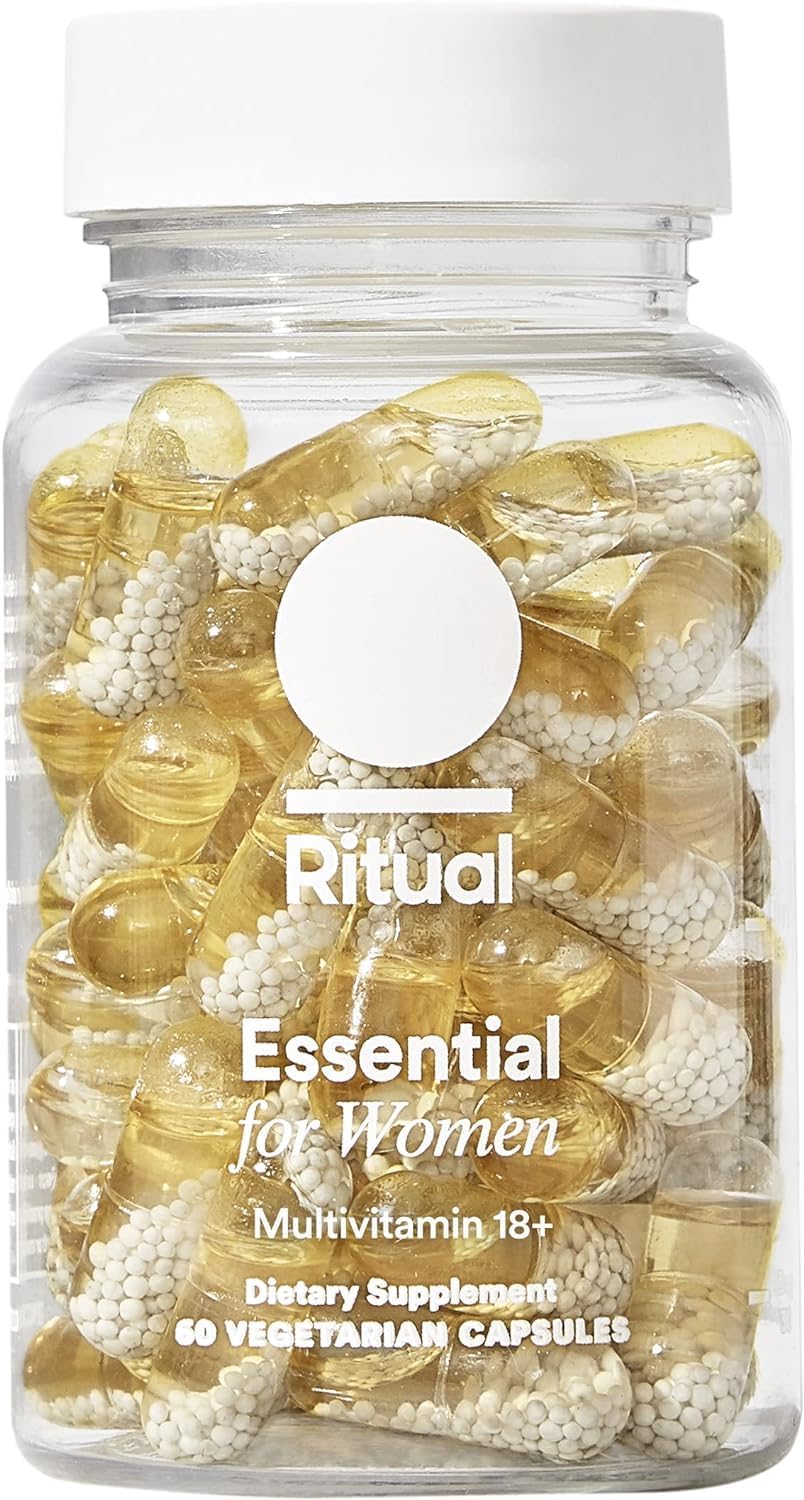
Key Features:
- ✅ Contains 12 essential nutrients in bioavailable forms
- ✅ Includes DHA, Folate, and Choline
- ✅ Vegan, Non-GMO, third-party tested
- ✅ Mint essence helps reduce nausea
- ✅ Delayed-release capsules for easy digestion
Price: ~$35/month | Rating: ⭐ 4.5/5 (3,000+ reviews)
→ View Ritual Prenatal on Amazon
💰 BEST VALUE: Nature Made Prenatal Multi + DHA

Key Features:
- ✅ #1 pharmacist-recommended brand
- ✅ 200mg DHA + Folic Acid + Iron
- ✅ USP Verified for quality and purity
- ✅ No artificial colors or flavors
- ✅ Budget-friendly without compromising quality
Price: ~$24 for 110 softgels (110-day supply) | Rating: ⭐ 4.6/5 (5,000+ reviews)
→ View Nature Made Prenatal on Amazon
🌱 ORGANIC OPTION: Garden of Life mykind Organics Prenatal

Key Features:
- ✅ USDA Organic, Whole Food Based
- ✅ Non-constipating iron from organic foods
- ✅ Vegan, NSF Certified
- ✅ Made from over 30 fruits, vegetables & herbs
- ✅ No synthetic binders or fillers
Price: ~$32/month | Rating: ⭐ 4.4/5 (2,500+ reviews)
→ View Garden of Life Prenatal on Amazon
😊 ANTI-NAUSEA: SmartyPants Prenatal Formula Gummies

Key Features:
- ✅ Chewable gummies (easy digestion)
- ✅ DHA/EPA Omega-3 + Methylfolate
- ✅ Vitamin D3, B12, and Biotin
- ✅ Gluten-free, no artificial sweeteners
- ✅ Great-tasting lemon, orange & strawberry flavors
Price: ~$25 for 120 gummies (30-day supply) | Rating: ⭐ 4.5/5 (4,000+ reviews)
→ View SmartyPants Prenatal on Amazon
💡 Pro Tip: Start taking prenatal vitamins 1-3 months BEFORE trying to conceive to ensure adequate folate levels from the moment of conception. Your baby's neural tube forms in the first 28 days—often before you even know you're pregnant.
📊 Prenatal Vitamins Comparison Chart
| Product | DHA | Choline | Folate | Iron | $/Day | Rating |
|---|---|---|---|---|---|---|
| Ritual Prenatal | ✅ 350mg | ✅ 55mg | ✅ 600mcg | ✅ 18mg | $1.17 | ⭐4.5 |
| Nature Made | ✅ 200mg | ❌ 0mg | ✅ 600mcg | ✅ 27mg | $0.22 | ⭐4.6 |
| Garden of Life | ❌ 0mg | ❌ 0mg | ✅ 600mcg | ✅ 18mg | $1.07 | ⭐4.4 |
| SmartyPants | ✅ 180mg | ❌ 0mg | ✅ 600mcg | ❌ 0mg | $0.28 | ⭐4.5 |
Legend: ✅ = Adequate amount | ❌ = Absent or insufficient
The Power Duo: Folic Acid and Folate for Neural Development
Let me start with the most critical nutrient for early pregnancy: folic acid. This B vitamin is your baby's best defense against neural tube defects like spina bifida, which affect the brain and spinal cord development in the first 28 days of pregnancy—often before you even know you're expecting.
Folic acid may help prevent major birth defects of the fetus's brain and spine called neural tube defects (NTDs), and when you're pregnant, you need 600 micrograms of folic acid each day, according to ACOG guidelines.
Here's what makes folic acid so powerful: it helps your baby's neural tube close properly during those critical first weeks. Research published in peer-reviewed journals shows that adequate folic acid intake before conception and during early pregnancy reduces neural tube defects by up to 70%.
Natural sources include fortified cereals, enriched bread and pasta, dark leafy greens like spinach, lentils, and orange juice. However, because it's challenging to get enough from food alone, prenatal vitamins should contain at least 400 micrograms, and you'll get the rest from fortified foods.
💡 Pro Tip: Start taking folic acid at least one month before trying to conceive. If you've previously had a baby with a neural tube defect, your doctor may recommend a higher dose of 4 milligrams daily.
Iron: Building Your Baby's Blood Supply
Iron might not sound glamorous, but it's literally life-giving during pregnancy. Your blood volume increases by nearly 50% to support your growing baby, and iron is essential for producing all those extra red blood cells that carry oxygen to your little one.
When you're not pregnant, you need 18 mg of iron per day. When you're pregnant, you need 27 mg per day, which explains why so many pregnant women struggle with iron deficiency anemia.
Without sufficient iron, you might experience extreme fatigue, weakness, dizziness, and shortness of breath. More importantly, severe iron deficiency increases the risk of preterm delivery and low birth weight.
The best food sources include lean red meat, poultry, fish, dried beans and lentils, iron-fortified cereals, and prune juice. Here's a game-changer: pair iron-rich foods with vitamin C sources like oranges, strawberries, or bell peppers to boost absorption significantly.
💊 How to Minimize Iron Side Effects:
If the iron in your prenatal causes nausea or constipation:
- Take with vitamin C (improves absorption)
- Consider chelated iron or ferrous bisglycinate (gentler forms)
- Split your dose throughout the day
- Take at night before bed
- Stay well-hydrated and eat high-fiber foods
Calcium and Vitamin D: The Bone-Building Team
Your baby needs to build an entire skeleton in just nine months—that's approximately 206 bones! This incredible feat requires substantial calcium, which your body will pull from your own bones if you're not getting enough through diet and supplements.
If you're 18 or younger, you need 1,300 mg of calcium per day. If you're 19 or older, you need 1,000 mg per day, according to ACOG recommendations.
Calcium doesn't work alone, though. Vitamin D is its essential partner, helping your body absorb calcium efficiently and supporting your baby's bone and tooth development. Whether you're pregnant or not, you need 600 international units of vitamin D a day.
⚠️ Reality Check: The Calcium Gap
Most prenatal vitamins contain only 150-200mg of calcium (less than 20% of your daily needs) because adding more would make the pill too large to swallow. This means you MUST get calcium from food sources.
Easy ways to hit your 1,000mg daily goal:
- 3 cups milk (900mg) + prenatal (150mg) = ✅ Done
- 1 cup yogurt + 1 oz cheese + fortified OJ (800mg) + prenatal = ✅ Done
- Plant-based? Fortified almond milk + tofu + leafy greens + prenatal = ✅ Done
Dairy products—milk, cheese, and yogurt—are calcium superstars. If you're lactose intolerant, don't worry. You can get calcium from fortified plant-based milk, sardines with bones, tofu processed with calcium sulfate, almonds, and dark leafy greens like collard greens and kale.
For vitamin D, your best bets are fortified milk, fatty fish like salmon and mackerel, egg yolks, and yes, safe sun exposure (about 10-15 minutes several times weekly with SPF protection afterward).
Choline: The Underrated Brain Developer
Here's a vitamin most people haven't heard of, yet it's absolutely crucial for your baby's brain development. Choline is involved in cell membrane formation, neurotransmitter synthesis, and gene expression—all vital processes for your baby's growing brain.
Choline plays a role in your fetus's brain development and may help prevent some common birth defects, with experts recommending 450 mg of choline each day during pregnancy (ideally 550mg for optimal benefits).
What makes choline particularly interesting is research showing that folate and choline are methyl-donor nutrients important for closure of the neural tube during fetal development and have been associated with brain and cognitive development in children.
⚠️ CRITICAL: 95% of Pregnant Women Don't Get Enough Choline
Choline is CRUCIAL for your baby's brain development, but most prenatal vitamins contain ZERO or insufficient amounts. This means you likely need additional supplementation.
Check your prenatal label right now. If it has less than 200mg of choline, you need a separate supplement.
The challenge? Most prenatal vitamins don't contain adequate choline, so you need to be intentional about food sources. Eggs are the champion here—one large egg provides about 147 mg of choline. Other excellent sources include chicken breast, beef, fish, milk, peanuts, and soybeans.
🧠 Best Choline Supplements for Pregnancy
Since most prenatals lack adequate choline, here are the top standalone choline supplements:
🥇 CLINICAL DOSE: Ritual Natal Choline

Key Features:
- ✅ 550mg Choline (clinically proven dose)
- ✅ Based on Cornell University research
- ✅ Clean Label Project Certified
- ✅ Non-GMO, Vegan, Gluten-Free
- ✅ Traceable supply chain
Price: ~$50 for 30-day supply | Rating: ⭐ 4.6/5 (1,000+ reviews)
→ View Ritual Natal Choline on Amazon
💰 BEST VALUE: Needed Prenatal Choline
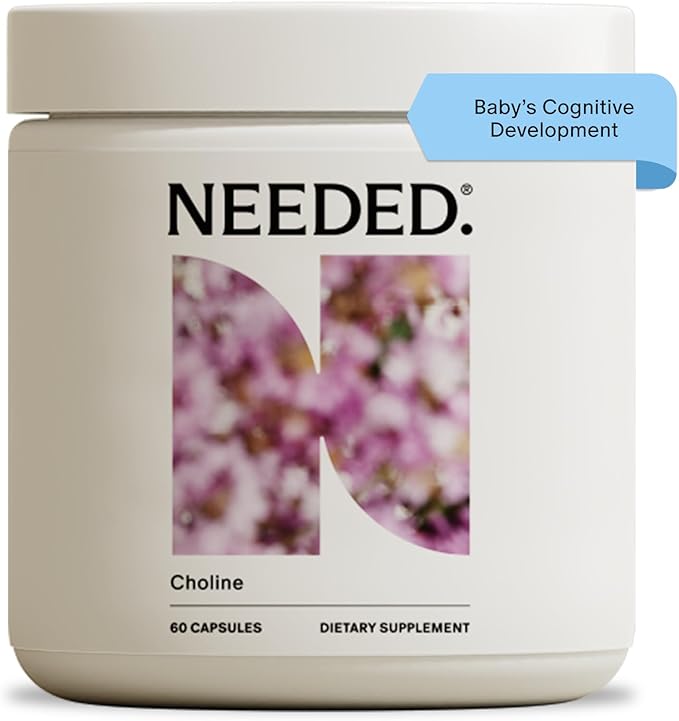
Key Features:
- ✅ 250mg per capsule (flexible dosing)
- ✅ VitaCholine® brand (highest quality)
- ✅ Third-party tested for purity
- ✅ No fillers or artificial ingredients
- ✅ Take 1-2 capsules for customized dosage
Price: ~$25 for 60 capsules (30-60 day supply) | Rating: ⭐ 4.7/5 (500+ reviews)
→ View Needed Prenatal Choline on Amazon
🎯 2-IN-1 COMBO: NatureBell Choline + Omega-3

Key Features:
- ✅ 500mg Choline + 100mg Omega-3
- ✅ Dual brain-boosting formula
- ✅ Excellent value for money
- ✅ Non-GMO, Third-party tested
- ✅ 240 capsules (120-day supply)
Price: ~$20 for 240 capsules | Rating: ⭐ 4.5/5 (200+ reviews)
→ View NatureBell Choline on Amazon
🥚 Food Sources of Choline:
- 1 large egg = 147mg
- 3 oz chicken breast = 72mg
- 3 oz beef = 97mg
- 3 oz salmon = 75mg
- 1 cup milk = 43mg
Bottom line: You'd need to eat 3-4 eggs daily to meet your needs through food alone. Supplementation makes this goal achievable.
Omega-3 Fatty Acids: DHA and EPA for Brain Health
If you want to give your baby's brain development a serious boost, omega-3 fatty acids—specifically DHA (docosahexaenoic acid) and EPA (eicosapentaenoic acid)—are your secret weapons.
DHA is a major structural component of the brain and retina. During the third trimester, when your baby's brain undergoes rapid development, DHA accumulation accelerates dramatically. Studies suggest that adequate omega-3 intake during pregnancy may support better cognitive function, visual development, and even reduced allergy risk in children.
The primary dietary sources are fatty fish like salmon, sardines, and anchovies. However, you need to be careful about mercury exposure. Eat two or three servings of fish or shellfish per week, with a serving being 4 ounces, but avoid bigeye tuna, king mackerel, marlin, orange roughy, shark, swordfish, and tilefish.
If you're vegetarian or don't eat fish regularly, algae-based DHA supplements provide the same benefits without the mercury concerns. You can also get alpha-linolenic acid (ALA), which your body partially converts to DHA, from ground flaxseed, chia seeds, walnuts, and hemp seeds.
🐟 Best DHA & Omega-3 Supplements for Pregnancy
Most prenatal vitamins DON'T contain sufficient DHA. If yours has less than 200mg, add one of these:
🥇 TOP RATED: Nordic Naturals Prenatal DHA

Key Features:
- ✅ 480mg DHA + 205mg EPA per serving
- ✅ Official Omega-3 of American Pregnancy Association
- ✅ 400 IU Vitamin D3 included
- ✅ No fishy aftertaste (lemon flavor)
- ✅ Triglyceride form (better absorption)
- ✅ Third-party tested for purity and freshness
Price: ~$25 for 90 softgels (45-day supply) | Rating: ⭐ 4.7/5 (8,000+ reviews)
→ View Nordic Naturals Prenatal DHA on Amazon
🌱 VEGAN: Nordic Naturals Algae Omega Prenatal

Key Features:
- ✅ 500mg DHA from algae (plant-based)
- ✅ Zero mercury, sustainable source
- ✅ 100% vegan, Non-GMO
- ✅ No fish, gelatin, or animal products
- ✅ Third-party tested
Price: ~$30 for 60 softgels (30-day supply) | Rating: ⭐ 4.6/5 (2,000+ reviews)
→ View Nordic Naturals Vegan DHA on Amazon
💪 HIGH POTENCY: Fairhaven Health Peapod Prenatal DHA
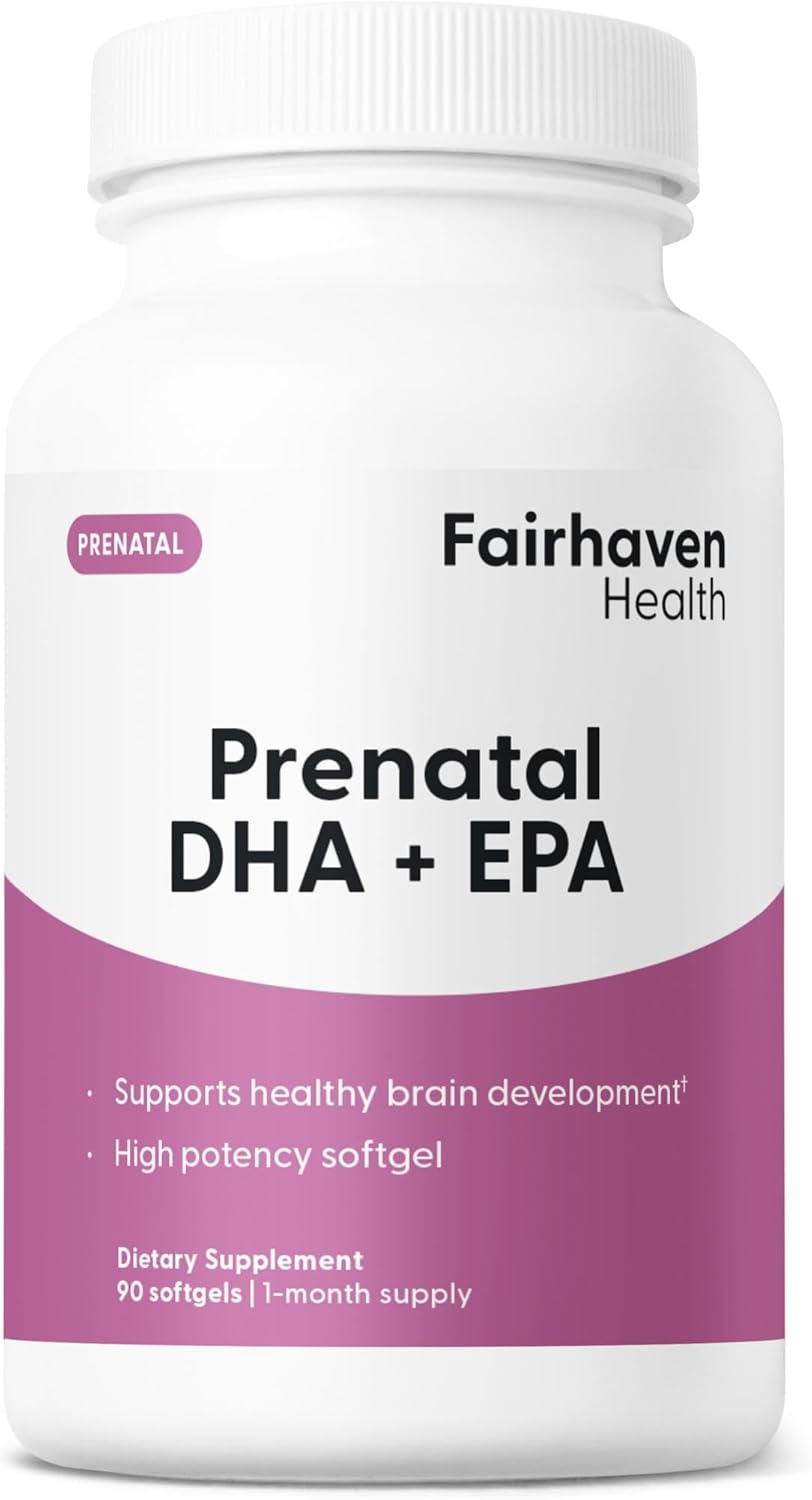
Key Features:
- ✅ 675mg DHA + 225mg EPA (ultra high dose)
- ✅ Icelandic fish oil (premium quality)
- ✅ Natural citrus flavor
- ✅ Molecular distillation for purity
- ✅ Supports brain & eye development
Price: ~$32 for 90 softgels (45-day supply) | Rating: ⭐ 4.5/5 (1,500+ reviews)
→ View Fairhaven Health Peapod on Amazon
🐟 Important: DHA Dosage Guide
Minimum recommended: 200-300mg DHA per day
Optimal dose: 400-600mg DHA per day
Safe maximum: Up to 1,000mg combined EPA+DHA per dayCheck your prenatal vitamin label. If it contains less than 200mg DHA, add a separate omega-3 supplement.
The B-Vitamin Complex: Energy and Development Powerhouses
The B-vitamin family deserves special attention because these nutrients work together to support virtually every aspect of your baby's development while keeping your energy levels stable.
Vitamin B6 (Pyridoxine)
Vitamin B6 helps form red blood cells and helps your body use protein, fat, and carbohydrates, with pregnant women needing 1.9 milligrams daily. It's also famously helpful for reducing pregnancy-related nausea and morning sickness.
Find it in beef, pork, whole-grain cereals, bananas, chickpeas, and potatoes with skin.
Vitamin B12 (Cobalamin)
Vitamin B12 maintains the nervous system and helps form red blood cells, with pregnant women needing 2.6 micrograms daily. This vitamin is crucial for preventing neural tube defects and supporting proper brain development.
B12 is naturally found only in animal products—meat, fish, poultry, eggs, and dairy. If you're vegetarian or vegan, supplementation is absolutely essential during pregnancy.
Thiamin (B1), Riboflavin (B2), and Niacin (B3)
These B vitamins provide energy, support fetal development, and help build the placenta. They're found in whole grains, lean meats, eggs, nuts, and legumes. Your prenatal vitamin should contain adequate amounts of all three.
Vitamin C: Immune Support and Iron Absorption
Vitamin C pulls double duty during pregnancy: it strengthens your immune system (which is naturally suppressed during pregnancy to prevent your body from rejecting the fetus) and dramatically improves iron absorption from plant-based sources.
During pregnancy, you should get at least 85 mg of vitamin C each day if you're older than 19, and 80 mg if you're younger than 19.
This powerful antioxidant also supports collagen production, which is essential for your baby's developing bones, skin, cartilage, and blood vessels. Plus, it helps your body heal and recover from the physical stress of pregnancy.
Excellent sources include citrus fruits (oranges, grapefruits), strawberries, kiwi, bell peppers, broccoli, tomatoes, and Brussels sprouts. The good news? Vitamin C is water-soluble, so your body excretes excess amounts, making toxicity unlikely from food sources.
Vitamin A: Vision and Growth With Caution
Vitamin A is essential for your baby's eye development, immune function, and cell growth. Pregnant women need 750 micrograms for ages 14 to 18 or 770 micrograms for ages 19 to 50.
⚠️ Critical Caution About Vitamin A
Excessive vitamin A from retinol (the form found in animal products and supplements) can cause serious birth defects. That's why prenatal vitamins use beta-carotene instead, which your body converts to vitamin A as needed without toxicity risk.
Avoid:
- High-dose vitamin A supplements
- Excessive liver consumption
- Retinoid medications (like Accutane)
Get your vitamin A from colorful produce: sweet potatoes, carrots, spinach, kale, cantaloupe, red bell peppers, and mangoes. These provide beta-carotene safely.
Vitamin E: Antioxidant Protection
Vitamin E protects cell membranes from oxidative damage and supports your baby's developing nervous system and immune function. Pregnant women need about 15 mg (22.4 IU) daily.
This fat-soluble vitamin is found in nuts (especially almonds and hazelnuts), seeds (sunflower seeds are particularly rich), plant oils, avocados, spinach, and fortified cereals.
Most women get adequate vitamin E from a varied diet and prenatal vitamins, but if you have digestive issues that affect fat absorption, your doctor may recommend monitoring your levels.
Vitamin K: Blood Clotting Essential
Vitamin K is crucial for proper blood clotting, which becomes especially important during delivery to prevent excessive bleeding. It also supports your baby's bone development.
Pregnant women need approximately 90 micrograms daily. Fortunately, vitamin K deficiency is rare because your gut bacteria produce it, and it's abundant in leafy green vegetables like kale, spinach, collard greens, and broccoli.
Your prenatal vitamin likely contains vitamin K, and your baby will receive a vitamin K injection shortly after birth to prevent bleeding complications.
Iodine: Thyroid Function and Brain Development
Iodine is essential for healthy brain development, with pregnant women needing 220 micrograms daily. This mineral is crucial for producing thyroid hormones, which regulate metabolism and are critical for your baby's brain and nervous system development.
Iodine deficiency during pregnancy can lead to serious complications, including intellectual disabilities, growth problems, and hearing issues in children. Unfortunately, many prenatal vitamins don't contain adequate iodine, so check your supplement label.
Food sources include iodized table salt, dairy products, seafood (especially seaweed and fish), eggs, and some breads. If you use sea salt or Himalayan pink salt instead of iodized salt, you're likely missing this essential nutrient.
Zinc: Cell Growth and Immune Function
Zinc supports DNA synthesis, cell division, and immune function—all critical during pregnancy when cells are rapidly multiplying. Pregnant women need about 11 mg of zinc daily.
This mineral plays a vital role in fetal growth and development, and deficiency has been linked to low birth weight and preterm delivery. Research suggests adequate zinc intake may also reduce pregnancy complications.
Find zinc in lean meat, poultry, seafood (especially oysters, though limit consumption during pregnancy), beans, nuts, whole grains, and dairy products. Vegetarians need to be particularly mindful of zinc intake since plant-based sources are less bioavailable.
Magnesium: Muscle and Nerve Function
Magnesium is involved in over 300 enzymatic reactions in your body. During pregnancy, it supports your baby's bone development, helps regulate blood sugar and blood pressure, and may reduce the risk of preterm labor and preeclampsia.
Pregnant women need 350-360 mg daily (depending on age). Magnesium also helps with those annoying pregnancy leg cramps that strike at 2 a.m.
Excellent sources include nuts (almonds, cashews), seeds (pumpkin seeds), legumes, whole grains, dark leafy greens, avocados, bananas, and dark chocolate (yes, really!).
Biotin: Hair, Skin, and Metabolism Support
Biotin (vitamin B7) supports your body's metabolism of carbohydrates, fats, and proteins. During pregnancy, biotin needs increase, and mild deficiency is actually quite common among pregnant women.
Pregnant women need 30 micrograms daily. Biotin supports your baby's rapid growth and may help with the thick, luscious hair many pregnant women enjoy (though pregnancy hormones deserve most of that credit).
Find biotin in eggs (especially the yolk), salmon, pork, beef liver, sunflower seeds, sweet potatoes, almonds, and spinach. Most prenatal vitamins include biotin, so deficiency is preventable with proper supplementation.
Smart Strategies for Maximizing Your Vitamin Intake
Taking prenatal vitamins is just the foundation. Here's how to optimize your nutrient absorption and make every vitamin count:
💡 Absorption Optimization Tips
- Take your prenatal vitamin with food. Fat-soluble vitamins (A, D, E, K) absorb better when consumed with dietary fat. Plus, taking vitamins on an empty stomach can trigger nausea.
- Split your dose if needed. Some women find that taking half their prenatal dose in the morning and half at night reduces stomach upset and improves absorption.
- Don't exceed recommended amounts. More isn't better with vitamins for your pregnancy. Some nutrients can be harmful in excessive amounts, particularly vitamins A and D.
- Time your supplements strategically. Take calcium separately from iron supplements, as they compete for absorption. Iron is best absorbed on an empty stomach with orange juice (vitamin C enhances absorption), though this can cause nausea in some women.
- Focus on food first. Supplements are meant to fill gaps, not replace a healthy diet. Whole foods provide fiber, phytonutrients, and compound benefits that pills can't replicate.
- Stay hydrated. Water helps your body absorb water-soluble vitamins (B-complex and C) and supports the increased blood volume pregnancy demands.
- Choose quality supplements. Look for prenatal vitamins tested by third-party organizations like USP, NSF International, or ConsumerLab. These certifications verify that the product contains what the label claims.
When to Start Taking Pregnancy Vitamins
Here's one of the most important things I can tell you: start taking prenatal vitamins before you conceive. Ideally, begin at least one to three months before trying to get pregnant.
⏰ Start Today: Your Baby's Development Begins Before You Know You're Pregnant
Your baby's neural tube forms within the first 28 days of pregnancy—often before you even know you're expecting. By the time you get that positive test, critical developmental windows have already opened.
Don't wait. If you're trying to conceive or even thinking about it, start prenatal vitamins NOW.
Why the head start? Because your baby's neural tube forms within the first 28 days of pregnancy—often before you even know you're expecting. By the time you get that positive test, critical developmental windows have already opened.
If you're already pregnant and haven't started prenatal vitamins, don't panic. Begin immediately and continue throughout your entire pregnancy and while breastfeeding. It's never too late to start supporting your baby's development.
Common Concerns and Side Effects
Let's address the elephant in the room: prenatal vitamins can cause some uncomfortable side effects. The most common complaint? Nausea, often from the iron content.
😰 Solutions for Prenatal Vitamin Nausea
You're not alone. Here are options that actually work:
- Strategy #1: Switch to Gummies - SmartyPants Prenatal Gummies are easier to digest (supplement iron separately if needed)
- Strategy #2: Take at Night - Take your prenatal right before bed. Sleep through the nausea!
- Strategy #3: Try Mint-Flavored Options - Ritual Essential Prenatal contains mint essence that naturally reduces nausea
- Strategy #4: Split the Dose - Take half in the morning, half at night to reduce stomach overload
If your prenatal makes you queasy, try taking it at night before bed or with a substantial meal. Some women find gummy prenatal vitamins easier to tolerate, though these often contain less iron and may require additional supplementation.
Constipation is another frequent issue, primarily from iron. Combat this by drinking plenty of water, eating high-fiber foods, staying physically active, and if necessary, discussing stool softeners with your healthcare provider.
Large prenatal pills can be difficult to swallow. If this is your struggle, look for smaller pills, chewable options, or ask your doctor about liquid prenatal vitamins.
Remember, finding the right prenatal vitamin might take some trial and error. What works beautifully for your best friend might make you feel terrible. Don't give up—work with your healthcare provider to find the best option for your body.
Your Vitamins for Pregnancy Checklist
✅ Essential Nutrients Checklist
Every pregnancy journey is unique, but these vitamins form the foundation of healthy fetal development. Make sure your prenatal covers these:
- ☐ Folic acid (600 mcg) - Neural tube development
- ☐ Iron (27 mg) - Blood production and oxygen transport
- ☐ Calcium (1,000-1,300 mg) - Bone and tooth formation
- ☐ Vitamin D (600 IU) - Calcium absorption and immune function
- ☐ Choline (450 mg, ideally 550mg) - Brain development ⚠️ Often missing!
- ☐ DHA/EPA (200-300 mg) - Brain and eye development
- ☐ Vitamin B6 (1.9 mg) - Red blood cell formation
- ☐ Vitamin B12 (2.6 mcg) - Nervous system development
- ☐ Vitamin C (85 mg) - Immune support and iron absorption
- ☐ Vitamin A (770 mcg) - Vision and cellular growth
- ☐ Vitamin E (15 mg) - Antioxidant protection
- ☐ Vitamin K (90 mcg) - Blood clotting
- ☐ Iodine (220 mcg) - Thyroid function
- ☐ Zinc (11 mg) - Cell growth and immune function
- ☐ Magnesium (350-360 mg) - Muscle and nerve function
❌ Missing Something?
Most prenatal vitamins are SHORT on:
- Choline (95% of prenatals lack adequate amounts) - Add a choline supplement (see recommendations above)
- DHA (many contain less than 200mg) - Add an omega-3 supplement (see recommendations above)
- Calcium (pills can't fit enough) - Focus on food sources or add a calcium supplement
Remember, these recommended amounts are general guidelines. Your individual needs may vary based on your health history, diet, and any pregnancy complications. Always consult your healthcare provider before making changes to your supplement regimen.
💊 Complete Pregnancy Supplement Kits
Here are complete supplement stacks organized by budget and preferences:
💰 Budget-Friendly Kit (~$45/month)
- Nature Made Prenatal Multi + DHA (~$20)
- Needed Prenatal Choline (~$22)
Total: ~$45/month
What you get: Complete coverage of all essential nutrients at an affordable price. #1 pharmacist-recommended brand plus quality choline supplementation.
🏆 Premium Quality Kit (~$110/month)
- Ritual Essential Prenatal (~$35)
- Nordic Naturals Prenatal DHA (~$28)
- Ritual Natal Choline (~$50)
Total: ~$110/month
What you get: Top-tier quality with clinical doses, third-party testing, and clean ingredients. Best absorption and minimal side effects.
🌱 Complete Vegan Kit (~$90/month)
- Garden of Life mykind Organics Prenatal (~$32)
- Nordic Naturals Algae Omega Prenatal (~$30)
- Needed Prenatal Choline (~$25)
Total: ~$90/month
What you get: 100% plant-based nutrition. USDA Organic prenatal + algae-based DHA (zero mercury) + vegan choline. No animal products whatsoever.
😊 Anti-Nausea Kit (~$70/month)
- SmartyPants Prenatal Gummies (~$25)
- Fairhaven Health Peapod DHA (~$32) - citrus flavor reduces nausea
- NatureBell Choline + Omega-3 (~$20)
Total: ~$77/month
What you get: Gentle-on-stomach options. Gummy prenatal (no pills!) + pleasant-tasting DHA. Perfect for first trimester morning sickness.
🤔 Not Sure Which Kit Is Right for You?
Quick Decision Guide:
- IF you have a limited budget: Budget-Friendly Kit (~$0.22/day for prenatal)
- IF you want maximum quality: Premium Quality Kit (~$1.17/day)
- IF you're vegan: Complete Vegan Kit (100% plant-based)
- IF you have morning sickness: Anti-Nausea Kit (gentle formulas)
The Bottom Line on Vitamins for Your Pregnancy
Growing a human being is the most nutritionally demanding thing your body will ever do. The vitamins for your pregnancy we've discussed aren't optional extras—they're essential building blocks for your baby's development and your own health throughout this incredible journey.
While prenatal vitamins provide crucial insurance against nutritional gaps, they work best as part of a comprehensive approach that includes a varied, nutrient-dense diet, adequate hydration, appropriate physical activity, and regular prenatal care.
Your baby is building every organ, bone, and brain cell from the nutrients you provide. By prioritizing these essential vitamins, you're giving your little one the absolute best foundation for a healthy life. That's not just good nutrition—that's powerful love in action.
🚀 Your Action Plan:
- Choose a complete prenatal multivitamin from the options above
- Add a DHA supplement if your prenatal has less than 200mg
- Add a choline supplement (most important missing nutrient!)
- Focus on calcium-rich foods in your diet
- Start TODAY—don't wait until you're pregnant
Start today. Your future baby will thank you.
Frequently Asked Questions
When should I start taking prenatal vitamins?
Ideally, begin taking prenatal vitamins one to three months before trying to conceive. This ensures adequate folic acid levels when conception occurs, protecting against neural tube defects that develop in the first 28 days of pregnancy. If you're already pregnant, start immediately regardless of how far along you are.
Can I take regular multivitamins instead of prenatal vitamins?
No, regular multivitamins don't provide the specific nutrient amounts needed during pregnancy. Prenatal vitamins contain higher levels of folic acid, iron, and calcium, while limiting potentially harmful nutrients like vitamin A. They're specifically formulated for the unique demands of pregnancy and fetal development.
What happens if I forget to take my prenatal vitamin for a few days?
Don't panic—missing a few days won't cause immediate harm if you're eating a healthy, varied diet. Simply resume your normal schedule. Never double up doses to "catch up," as this can cause stomach upset or potentially harmful levels of certain nutrients. Consistency is important, so set a daily reminder if you frequently forget.
Are gummy prenatal vitamins as effective as pills?
Gummy prenatals can be easier to tolerate but often contain less iron and calcium due to formulation limitations. They also typically lack DHA. If you choose gummies, check the label carefully and discuss with your healthcare provider whether you need additional iron or other supplements to fill the gaps.
Can I get all the vitamins I need from food alone during pregnancy?
While a nutrient-rich diet is crucial, it's extremely difficult to meet all pregnancy vitamin requirements through food alone, particularly for folic acid and iron. Research shows that even women with excellent diets often fall short of recommended amounts. Prenatal vitamins fill these nutritional gaps reliably.
Why do prenatal vitamins cause nausea and constipation?
Iron is typically the culprit for both nausea and constipation. To minimize these effects, take your prenatal with food, try taking it before bed, stay well-hydrated, consume high-fiber foods, and remain physically active. If symptoms persist, ask your doctor about slow-release iron formulations or lower-iron options with separate supplementation.
Do I need separate DHA and choline supplements in addition to prenatal vitamins?
Most likely, yes. Many prenatal vitamins don't contain adequate DHA or choline. Check your prenatal label—you need 200-300 mg of DHA and 450 mg of choline daily (ideally 550mg choline). If your prenatal falls short, separate supplementation is beneficial for optimal brain development. Discuss specific amounts with your healthcare provider.
Are expensive prenatal vitamins better than affordable ones?
Price doesn't necessarily correlate with quality or effectiveness. What matters most is that your prenatal meets recommended nutrient levels and is absorbed well by your body. Look for third-party testing certifications (USP, NSF, ConsumerLab) rather than focusing on price. Many affordable brands like Nature Made meet all requirements excellently.
Can I continue taking prenatal vitamins after giving birth?
Absolutely—especially if you're breastfeeding. Your nutrient needs remain elevated during lactation, and prenatal vitamins continue supporting your recovery and milk production. Many healthcare providers recommend continuing prenatal vitamins throughout breastfeeding and until you've fully depleted any bottles you have.
What if I'm vegetarian or vegan—are special prenatal vitamins necessary?
Yes, vegetarians and especially vegans need to be particularly mindful of vitamin B12, iron, zinc, DHA, and calcium intake. Look for prenatal vitamins specifically formulated for plant-based diets (like Garden of Life Organics), or ensure your standard prenatal contains adequate amounts of these nutrients. Algae-based DHA supplements provide omega-3s without fish.
Related Resources
⚖️ Important Disclaimer
Medical Disclaimer: This article is for informational purposes only and does not constitute medical advice. Always consult with your obstetrician, midwife, or qualified healthcare provider before starting any new supplement regimen during pregnancy. Individual nutrient needs vary based on health history, diet, and pregnancy complications.
Affiliate Disclosure: As an Amazon Associate, I earn from qualifying purchases. Some articles on this blog contain affiliate links to Amazon.com, and if you buy through them I may receive a small commission at no additional cost to you. Every product here passes through the same filter I use for the articles themselves: peer-reviewed research first, independent testing when it exists, real-world use over marketing claims. When a specific recommendation has clinical backing or a professional endorsement behind it, I point that out in the post itself, not as a blanket promise here.
We only recommend products we genuinely believe will benefit expecting mothers. Your trust is our priority.
Product Availability: Product availability, prices, and formulations may change. Always verify current information on Amazon before purchasing. Last updated: November 2025.
💝 Final Reminder
You're not just taking vitamins—you're building your baby's foundation for life.
Every nutrient matters. Every day counts. Start today.
God Bless You and your Baby!
Have questions about prenatal vitamins?
Drop a comment below or consult with your healthcare provider for personalized guidance.
Last Updated: November 2025 | Medical Review Status: Reviewed by Healthcare Professionals
Sources: American College of Obstetricians and Gynecologists (ACOG), National Institutes of Health (NIH), peer-reviewed medical journals