
30 Days Without Sugar: What Actually Changes in Your Body?
Reading time 7 min
What if one month without added sugar could reset your energy, your cravings, and the way your brain responds to food? That's the promise behind the 30-day no-sugar challenge — and unlike a lot of wellness trends, there's real science worth understanding here. Before you dive in, though, it's worth knowing what the research actually says, what to expect week by week, and why your results may look different from everyone else's.
Let's walk through it honestly.
First, What Counts as "Sugar" Here?
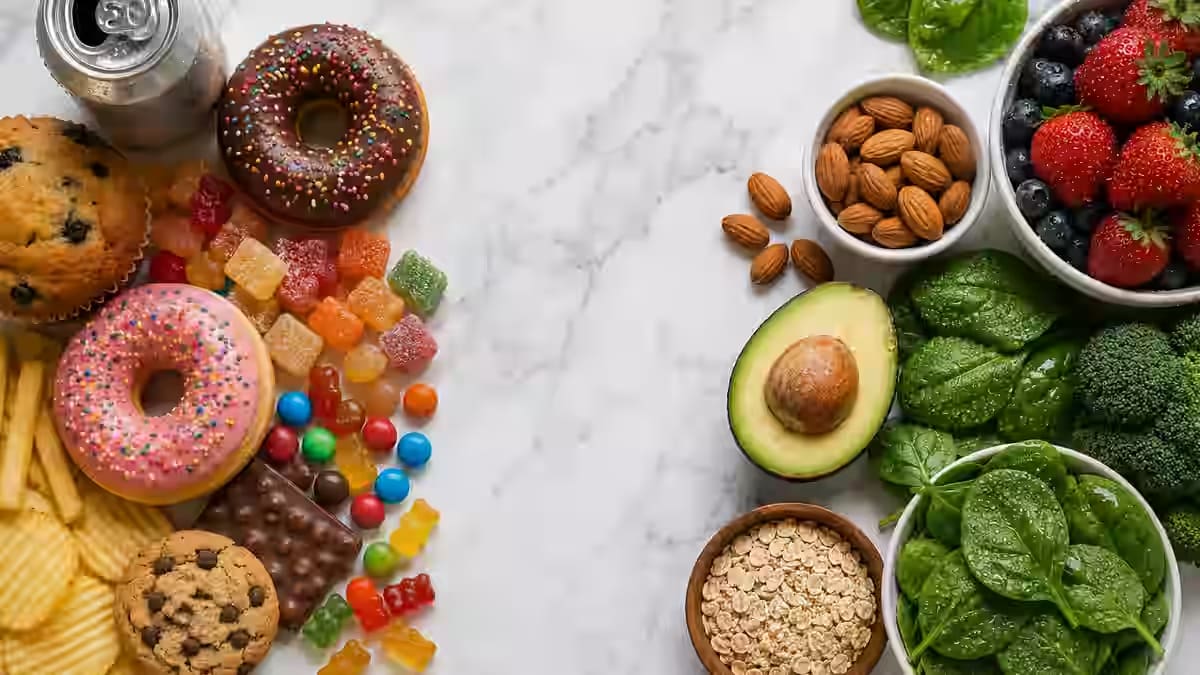
The challenge targets added sugars — the ones manufacturers and cooks add during processing, not the natural sugars in whole fruit, vegetables, or plain dairy. According to the American Heart Association, U.S. adults consume an average of 17 teaspoons of added sugar every day — more than two to three times the AHA's recommended limits of 6 teaspoons for women and 9 for men. That gap between what we eat and what's advisable is significant, and it's why a month-long reset can produce noticeable effects for most people who try it.
Added sugars hide in places that don't taste sweet: pasta sauce, salad dressings, bread, flavored yogurt, and granola bars. Harvard's T.H. Chan School of Public Health notes that a single 20-ounce bottle of sweetened soda can contain up to 65 grams of added sugar — more than double the AHA's daily maximum for most women. Reading labels carefully is the first practical skill the challenge teaches.
Week 1: Brace Yourself — This Part Is Rough
The first week is the hardest, and being prepared for it dramatically improves your odds of getting through it. Suddenly cutting out sugar can produce symptoms including headaches, fatigue, anxiety, and irritability — changes that are partly driven by a rapid decrease in dopamine release, which your brain has become accustomed to receiving each time you eat something sweet.
When you've been consuming high amounts of added sugar regularly, the body rapidly produces insulin in response, which then drives blood glucose down sharply — producing the fatigue, difficulty concentrating, and distraction known as a sugar crash. Once you remove the added sugar, your body needs time to recalibrate that insulin response and find a new metabolic baseline. For most people, withdrawal symptoms peak within two to five days and begin to ease by the end of the first week, though psychological effects like cravings can persist for up to four weeks.
This phase is real, it's temporary, and it's not a sign something is wrong. Staying hydrated, eating regular meals with protein and fiber, and getting adequate sleep helps significantly.
Week 2: The Shift Begins
By the second week, most people notice the fog starting to lift. Cravings for sweets generally decrease in both frequency and intensity during week two as the body adapts to steadier fuel sources and blood glucose fluctuations smooth out. The energy swings that defined the first week give way to something steadier — less dramatic, but more reliable.
This is the blood glucose stabilization window. Reducing intake of refined carbohydrates and added sugars helps stabilize blood sugar by limiting the amount of glucose released into the bloodstream at one time, which is the direct mechanism behind the "more consistent energy" that challenge participants consistently report. Without repeated spikes and crashes, your body's energy supply runs smoother.
Week 3 and Beyond: Where the Real Changes Show Up
This is where the challenge becomes genuinely interesting. By week three, many people report improvements in sleep quality and mood alongside more visible physical changes — including reduced bloating and clearer skin — as systemic inflammation begins to subside.
The inflammation connection matters. Added sugar is one of the dietary drivers most consistently linked to chronic low-grade inflammation, and the World Health Organization has cited excessive added sugar consumption as contributing to a spectrum of health problems including obesity, type 2 diabetes, cardiovascular disease, and dental caries. Thirty days isn't long enough to reverse chronic disease risk, but it's enough to start moving those inflammatory markers in the right direction for many people.
"High intakes of dietary sugars have been linked with several metabolic abnormalities and adverse health conditions, as well as shortfalls of essential nutrients." — American Heart Association Scientific Statement, Circulation
Taste recalibration is another week-three phenomenon that surprises people. When you stop flooding your taste receptors with intense sweetness, natural sugars in whole foods — a carrot, a piece of fruit, even plain oatmeal — start to taste noticeably sweeter. This is a real physiological shift, not just mindset, and it's one of the most durable benefits of the challenge for those who carry new habits forward afterward.
What About Weight Loss?
Some people lose weight; others don't. Results depend on starting diet, caloric intake, and how much of your daily sugar was coming from calorie-dense sources. Those who regularly consumed sweetened beverages or processed snacks often see the most noticeable change — because removing those sources quietly reduces daily calories without deliberate restriction. If weight loss is a primary goal alongside the dietary reset, it's worth knowing what other evidence-based options exist; we've reviewed the FDA Approved Weight Loss Medications 2026 for anyone looking to combine lifestyle changes with additional clinical support.
What the Challenge Won't Do
It won't "detox" your liver in any clinically meaningful sense. It won't eliminate cravings permanently for everyone, and it won't produce the same results in people with diabetes, eating disorders, or metabolic conditions without medical supervision. What it genuinely offers is a structured window to experience what your body does without a constant supply of added sugar — something most adults have never actually tested.
Practical Tips to Survive Week One
- Audit your labels first. Read ingredient lists before day one. The surprises you find will make the challenge feel far less arbitrary.
- Don't drop caffeine at the same time. Combined withdrawal significantly intensifies headaches and fatigue. Handle one variable at a time.
- Eat more, not less. The most common mistake is under-eating when cravings hit. Nuts, a boiled egg, or hummus with vegetables addresses the hunger sugar usually masked.
- Use whole fruit strategically. Natural sugars in whole fruit are allowed and genuinely help ease the transition in the first week.
The Takeaway
Thirty days without added sugar won't transform your biology permanently on its own. What it can do is give you first-hand evidence of how much your energy, mood, and cravings are tied to a single dietary variable — and that knowledge is genuinely useful. Whether you return to some sugar afterward or decide to keep the new baseline, the month changes your relationship with sweetness in a way that's hard to fully appreciate until you've actually done it.
If you have diabetes, a history of disordered eating, or any metabolic condition, consult your healthcare provider before starting a sugar elimination challenge.
Frequently Asked Questions
1. What counts as "added sugar" in a 30-day no-sugar challenge?
Added sugars are any sugars introduced during food processing, preparation, or at the table — including white sugar, brown sugar, high-fructose corn syrup, honey, maple syrup, and agave. Natural sugars found in whole fruit, plain vegetables, and unsweetened dairy are generally excluded from the challenge and are fine to eat.
2. How much added sugar do Americans actually consume each day?
According to the American Heart Association and CDC data, U.S. adults consume an average of 17 teaspoons of added sugar per day — roughly 19 teaspoons for men and 15 for women. This is two to three times higher than the AHA's recommended maximum of 9 teaspoons for men and 6 for women.
3. Why do I feel terrible in the first few days of cutting out sugar?
Abruptly reducing added sugar can lower dopamine levels in the brain, which has become accustomed to the reward signal that sugar triggers. This produces symptoms including headaches, fatigue, irritability, and mood swings — sometimes called "sugar withdrawal." Symptoms typically peak within two to five days and improve significantly by the end of the first week for most people.
4. Will I lose weight if I stop eating added sugar for 30 days?
Possibly, but it depends on how much added sugar you were consuming before, what you replace it with, and your overall caloric balance. People who were regularly drinking sweetened beverages or eating processed snacks tend to see more pronounced changes. However, weight loss is not the primary or most consistent outcome — steadier energy and reduced cravings are far more reliable results.
5. How long until cravings go away when quitting sugar?
Physical symptoms like headaches and fatigue typically ease within the first week. Psychological cravings — the urge to reach for something sweet — can persist for up to four weeks, gradually decreasing in intensity. By week two, most people report that craving frequency noticeably drops.
6. Can cutting out sugar improve my skin?
Many people report clearer skin after a few weeks of significantly reducing added sugar. The proposed mechanism involves reduced systemic inflammation and lower insulin levels, which may decrease the hormonal signaling associated with acne. Clinical evidence on this specific mechanism remains ongoing, but the observation is consistent across a large number of participant reports from controlled dietary interventions.
7. Is it safe to do a no-sugar challenge if I have diabetes?
You should consult your physician or a registered dietitian before making significant dietary changes if you have any type of diabetes. While reducing added sugar is generally encouraged in diabetes management, the specifics of your medication, monitoring plan, and carbohydrate needs require individualized guidance — not a generic challenge protocol.
8. Does fruit count as sugar in this challenge?
No — most 30-day no-sugar challenge protocols distinguish between added sugars and the naturally occurring sugars in whole fruit. Whole fruit also comes packaged with fiber, vitamins, and phytonutrients that change how the sugar is metabolized. Fruit is generally encouraged. Fruit juices, however, concentrate the sugar while removing the fiber, and most protocols recommend limiting or excluding them.
9. What are the best foods to eat during a no-sugar challenge?
Focus on whole, minimally processed foods: vegetables, lean proteins (eggs, poultry, fish, legumes), whole grains, nuts, seeds, and plain dairy. These foods stabilize blood glucose, provide sustained energy, and make it easier to manage cravings. Checking ingredient labels is essential, as added sugars appear in many products that don't taste overtly sweet.
10. What happens after the 30 days are over — will cravings come back?
Your palate will have genuinely recalibrated to some degree, meaning previously appealing foods may taste overly sweet. Whether cravings return depends largely on what eating patterns you return to. Many people who complete the challenge find that they naturally settle into a lower-sugar baseline afterward, not because they're restricting, but because hyper-sweet foods have lost their former appeal.
Affiliate Disclosure: As an Amazon Associate, I earn from qualifying purchases. Some articles on this blog contain affiliate links to Amazon.com, and if you buy through them I may receive a small commission at no additional cost to you. Every product here passes through the same filter I use for the articles themselves: peer-reviewed research first, independent testing when it exists, real-world use over marketing claims. When a specific recommendation has clinical backing or a professional endorsement behind it, I point that out in the post itself, not as a blanket promise here.